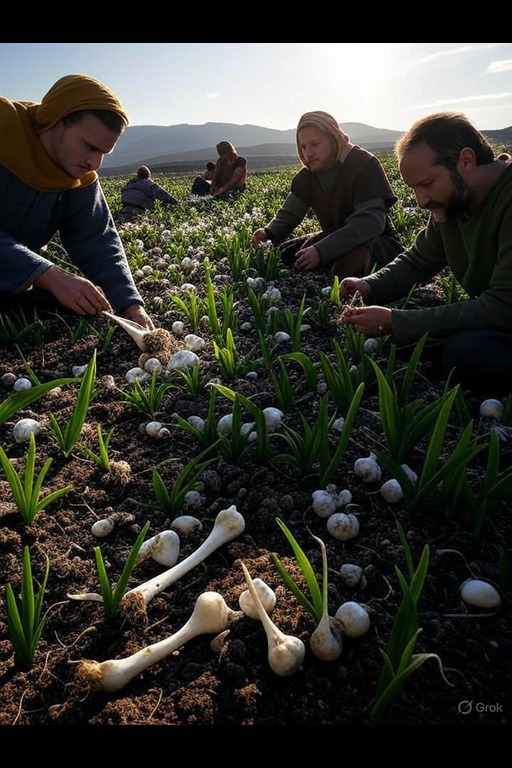
Garlic is cultivated in arid and frigid desert environments, adapted to thrive in challenging soils and climates. Its cultivation practices are deeply influenced by seasonal patterns, which in turn affect its flavor profile and yield. Surpluses of garlic are often traded with neighboring regions, where it is highly valued. Caravans regard preserved forms of garlic as essential provisions for long journeys and seasonal hardships.
Universal
Biomes
Politics
Alignments
Races
Resources
Classes
Elevations
Religions
World
No accessible MAPs found.
Biome
Politics
Alignment
Race
Resource
Class
HeightMap
Garlic
Detailed Description
The cultivation of garlic in hot and cold desert regions showcases the remarkable adaptability of this bulbous plant. Thriving in soils that are often sandy or rocky, garlic is resilient to extreme temperature variations, allowing it to flourish in conditions that would challenge many other crops. Farmers employ traditional agricultural techniques, often passed down through generations, to ensure the successful growth of garlic. These methods are closely tied to the seasonal cycles of the region, with planting and harvesting times dictated by the region's unique climate. Garlic requires careful attention during its growth phases, particularly in terms of irrigation and pest management. In arid landscapes, farmers utilize innovative irrigation methods to provide just enough moisture to encourage bulb development without oversaturating the soil. Harvesting typically occurs in late spring or early summer, when the leaves begin to brown, indicating that the bulbs have reached their peak flavor and size. After harvesting, the bulbs undergo a curing process, enhancing their storage capabilities and intensifying their taste, making them a favored ingredient in various food preparations. The culinary uses of garlic are vast, spanning from simple seasoning to complex dishes that rely on its unique flavor. In many kitchens, freshly minced garlic is celebrated for its aromatic qualities, while preserved forms such as pickled garlic or dried garlic chips offer convenience and longevity. Dishes like garlic soup or garlic mash highlight its versatility, appealing to both traditional and contemporary palates. Additionally, garlic is often incorporated into livestock feed, adding nutritional value to the diets of domestic animals. Trade routes frequently transport excess garlic to neighboring areas, where it can be exchanged for other essential goods. The preservation of garlic extends its shelf life, allowing it to be a staple in regions where fresh produce may be scarce during harsh seasons. This characteristic makes garlic not only a culinary delight but also a vital resource for sustaining communities throughout the year. The cultural significance of garlic, intertwined with its economic value, cements its place as a beloved staple in diverse culinary traditions across varied landscapes.
Examples
Garlic is featured in countless preparations, ranging from the simplicity of garlic mash to the complexity of stewed garlic dishes that showcase its rich flavor. Pickled garlic serves as a crunchy addition to many meals, while dried garlic chips provide a convenient seasoning option. Garlic soup, a comforting dish often enjoyed during colder months, highlights the bulb's ability to transform even the most basic ingredients into something extraordinary. These examples illustrate its vital role in enhancing culinary experiences.