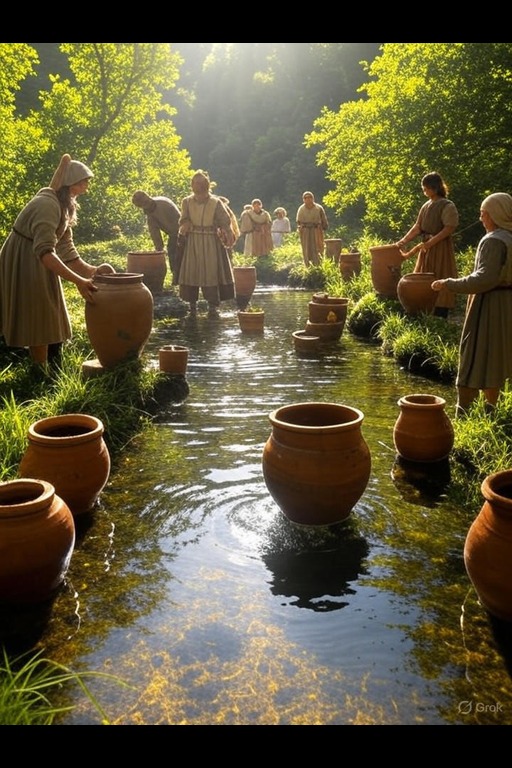
Freshwater springs are vital natural resources that emerge from underground aquifers, providing a steady supply of clean water. They are commonly found in diverse biomes, such as tropical dry forests and temperate grasslands. These springs support local communities by facilitating various industries, including waterworks and brewing. Harvesters skillfully manage the collection of water to ensure sustainable use and preserve the delicate balance of these ecosystems.
Universal
Biomes
Politics
Alignments
Races
Resources
Classes
Elevations
Religions
World
No accessible MAPs found.
Biome
Politics
Alignment
Race
Resource
Class
HeightMap
Freshwater Springs
Detailed Description
Freshwater springs serve as crucial lifelines for both flora and fauna in their surrounding environments. They form when groundwater rises to the surface, often emerging in the form of bubbling pools or streams. These springs may vary in size and flow, creating unique microhabitats that support a diverse range of life. The water is typically clear and cool, providing an inviting resource for those living nearby and often becoming a focal point of community life. As such, many settlements are strategically located near these springs to take advantage of their abundant supply. The industries that depend on freshwater springs are numerous and vital to local economies. Waterworks rely on the consistent flow to provide drinking water and irrigation for agriculture, which in turn sustains food production. Brewing operations benefit from the purity of spring water, allowing for the creation of beverages renowned for their quality. Additionally, fishing practices near springs can yield a bountiful catch, as these areas often attract various aquatic species seeking refuge in the cooler water. Trade is also significantly impacted by the accessibility of these springs, as communities exchange water or water-based products with nearby settlements, fostering economic relationships and cultural exchanges. Sustainable harvesting practices are essential to maintaining the viability of freshwater springs. Local harvesters possess the knowledge and skills to gather water and other resources without depleting stocks. Timing their collection to align with seasonal changes helps ensure that the springs can replenish themselves naturally. This careful management reflects a deep understanding of the ecosystem's dynamics and a commitment to preserving it for future generations. The balance between utilization and conservation is a constant consideration, with communities often establishing guidelines or traditions to govern usage, ensuring that their reliance on these springs does not lead to overexploitation or degradation of the resource.
Examples
Freshwater springs can yield a variety of products essential to everyday life. Brew stock crafted from spring water is highly sought after, producing flavorful drinks that enhance local culinary traditions. Ice blocks made from the purest spring water are often harvested for preservation and cooling needs. Additionally, the water can be used for irrigation, ensuring crops flourish in surrounding areas. Wash basins constructed from materials found near springs enhance hygiene practices, while salt extraction from nearby evaporation pools adds economic value to the resource.