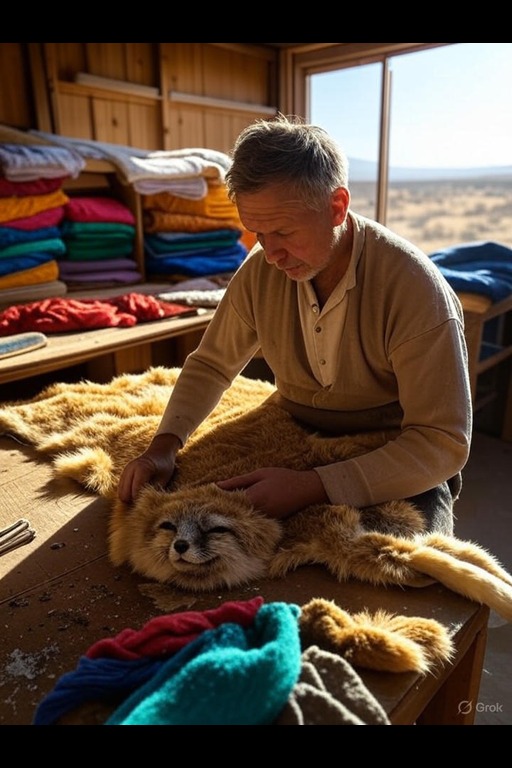
Fox Pelts are highly valued resources, commonly found in temperate dry grasslands and surrounding regions. Harvesters engage in hunting and gathering with a keen awareness of seasonal patterns, ensuring sustainable practices to maintain healthy fox populations. These pelts serve as a foundation for local craftsmanship and trade, making them a vital component of many settlements’ economies. Their versatility supports various industries, including textiles and butchery, contributing to a rich tapestry of cultural expression and utility.
Universal
Biomes
Politics
Alignments
Races
Resources
Classes
Elevations
Religions
World
No accessible MAPs found.
Biome
Politics
Alignment
Race
Resource
Class
HeightMap
Fox Pelts
Detailed Description
Fox Pelts are a prominent resource in diverse ecosystems, predominantly in temperate dry grasslands, where their abundance can often be observed. The pelts, characterized by their soft fur and striking coloration, offer warmth and protection, making them sought after for crafting garments and other textile products. Harvesting these pelts involves skillful hunting techniques, as well as a deep understanding of the natural behavior and habitats of foxes. As such, seasonal cycles dictate the timing of hunts, ensuring that the pelts are collected responsibly and in alignment with natural population dynamics. In addition to their use in clothing, Fox Pelts play a significant role in the tanning and butchery industries. Artisans adept in tanning transform the raw pelts into durable, ready-to-use materials, suitable for a variety of applications ranging from decorative items to practical tools. The byproducts of fox hunting also contribute to the local economy; bones are crafted into tools, while other parts are utilized in different ways, minimizing waste and promoting a holistic approach to resource use. The expertise involved in these crafts fosters a culture of skill-sharing and community engagement, as knowledge is passed down through generations. Trade in Fox Pelts often extends beyond local markets, facilitating commerce between distant settlements. This exchange not only supports economic resilience but also allows for the sharing of cultural practices and traditions associated with crafting and using these valuable resources. Over time, the significance of Fox Pelts has evolved, yet they remain a symbol of the harmonious relationship between humans and the environment, embodying the principles of sustainability, craftsmanship, and trade. As communities adapt to changing ecological conditions, the reliance on Fox Pelts continues to shape their cultural and economic landscapes, ensuring their place in the fabric of daily life.
Examples
Various products emerge from the utilization of Fox Pelts, each showcasing the ingenuity of artisans. Smoked and cured pelts may be preserved for later use, while tanned hides serve as durable materials for crafting high-quality garments. Additionally, communities often produce bone tools from the remains of harvested foxes, combining functionality with resourcefulness. Fur garments, adorned with intricate designs, reflect the skill and aesthetic values of the artisans, turning a simple resource into expressions of cultural identity.