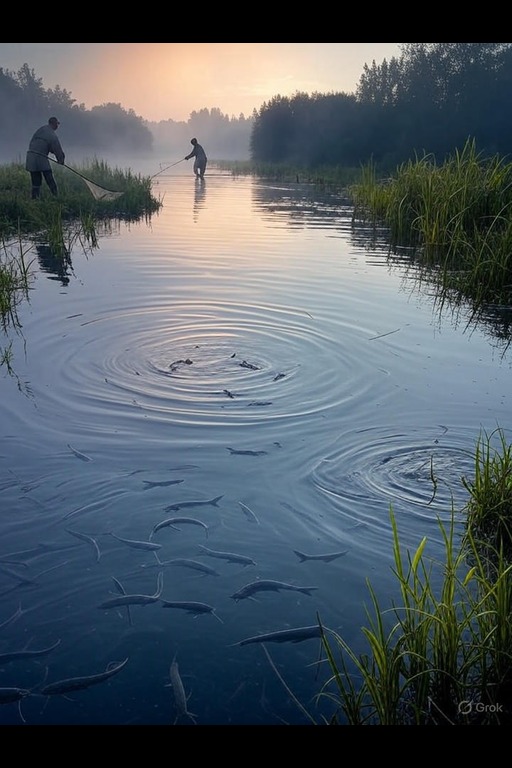
Fish Farming is the practice of cultivating and harvesting aquatic species within controlled environments, commonly found in tropical wet forests and other diverse biomes. The methods employed reflect the local climate and traditions, significantly influencing the quality and yield of the fish. Surpluses from these farms often become vital trade commodities, sought after by neighboring regions. Preserved forms of fish, such as smoked or salted varieties, are particularly prized for their durability during long journeys and harsh winters.
Universal
Biomes
Politics
Alignments
Races
Resources
Classes
Elevations
Religions
World
No accessible MAPs found.
Biome
Politics
Alignment
Race
Resource
Class
HeightMap
Fish Farming
Detailed Description
The art of Fish Farming has evolved as a critical component of the subsistence strategies in various ecosystems, particularly within lush tropical wet forests and temperate coniferous regions. Primarily focused on species that thrive in freshwater and brackish environments, this practice allows communities to harness aquatic resources sustainably. The choice of species, breeding cycles, and feeding methods are tailored to suit local climatic conditions and ecological dynamics, resulting in a diverse array of fish varieties that flourish in these settings. Over time, fish farming has become intricately linked with local culture, with traditional practices often passed down through generations. Seasonal variations play a significant role in fish farming, affecting not only the growth rates of the fish but also the practices employed by the farmers. Periods of heavy rainfall may lead to the flooding of ponds, which can enhance the nutrient flow, while dry seasons may necessitate careful management of water levels to avoid stressing the fish. Additionally, the cyclical nature of fish reproduction and growth creates windows for optimal harvesting, with farmers employing age-old techniques to maximize yield. The careful balance of these seasonal influences ensures a steady supply of fish, which can be traded or preserved for future use. Trade networks flourish around the surplus production of fish, with preserved forms such as smoked, salted, or pickled varieties becoming essential items for both local and distant markets. Caravan routes often feature these preserved products, as they offer nourishment during long journeys and are resilient enough to withstand the rigors of transport. In culinary contexts, fish from these farms can elevate dishes, contributing to a rich tapestry of flavors and nutrition. Fish Farming stew, a hearty dish, often features prominently in communal feasts, while fish oil is valued for its culinary and preservative properties. This interconnectedness of farming, preserving, and trading emphasizes the importance of fish farming not only as an economic activity but also as a keystone of social and cultural identity.
Examples
Common products resulting from fish farming include a variety of smoked fish, which offers a depth of flavor and long shelf life. Salted fish is another staple, frequently used in regional cuisines and valued for its ability to enhance dishes with its concentrated taste. Pickled fish often serves as a delicacy, enjoyed for its tangy profile and preservation methods that allow for enjoyment year-round. Additionally, fish farming stew is celebrated in many culinary traditions, bringing together fresh ingredients in a comforting meal. Lastly, fish oil not only serves culinary purposes but also finds use in various preservation methods, further emphasizing the versatility of farmed fish.