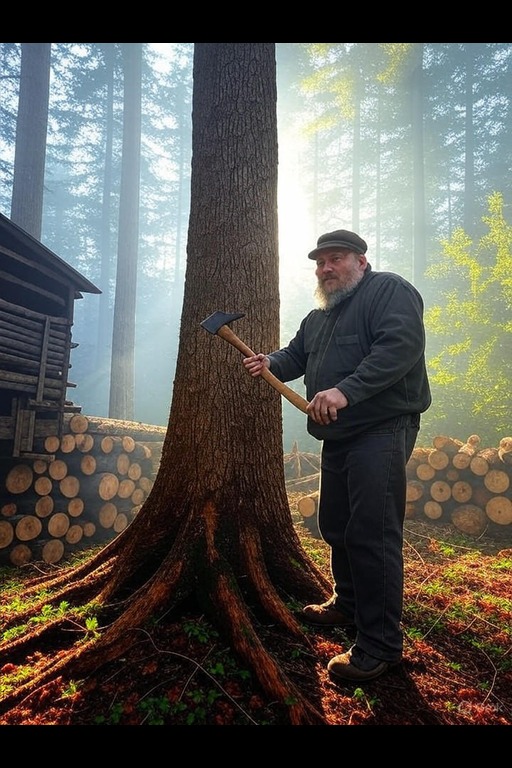
Fir Timber is a valuable resource found in the dense expanses of coniferous wet forests. Its sturdy and resilient nature makes it a favored choice among artisans and builders alike. Harvesting this timber requires not only skill but also an understanding of seasonal patterns to ensure sustainable practices. This resource significantly supports local economies through various industries, including construction and shipbuilding.
Universal
Biomes
Politics
Alignments
Races
Resources
Classes
Elevations
Religions
World
No accessible MAPs found.
Biome
Politics
Alignment
Race
Resource
Class
HeightMap
Fir Timber
Detailed Description
The fir tree, characterized by its tall stature and evergreen needles, thrives in the damp soil and cooler temperatures of coniferous wet forests. Harvesters often seek these trees during specific seasons when the sap is low, minimizing damage to the trees and ensuring their continued growth. The process of felling and processing fir timber is both an art and a science, demanding a balance between efficiency and ecological preservation. As such, skilled loggers develop a deep respect for the land and its resources, cultivating a tradition of sustainable forestry practices. Fir Timber is utilized in a multitude of industries, each capitalizing on its unique properties. In construction, its strength and durability make it ideal for frameworks, roofing, and flooring. Carpenters favor it for crafting furniture and intricate woodwork, appreciating the fine grain and easy workability of the wood. Shipbuilders also turn to fir timber, as it provides the structural integrity necessary for vessels navigating both calm and tumultuous waters. Additionally, the timber can be processed into other products such as charcoal, which is valued for its high heat output, and resin pitch that serves various industrial purposes. Trade in fir timber often connects remote regions with bustling marketplaces, where craftsmen and builders seek quality materials for their projects. Settlements near fir-rich forests thrive, as they provide the necessary resources for local industries while fostering a culture of craftsmanship and innovation. The reliance on fir timber illustrates the interconnectedness of nature and human enterprise, showcasing how natural resources can shape economies and communities alike. As artisans continue to innovate with this versatile resource, the legacy of fir timber endures, carving a path through both natural and constructed landscapes.
Examples
Products crafted from fir timber are varied and plentiful, reflecting the resource's adaptability. Fir timber planks serve as a fundamental building material, while beams provide essential support in larger structures. Artisans use fir for crafting wooden tools, ensuring durability and functionality in everyday tasks. Furthermore, the production of charcoal from fir contributes to local economies, as it is favored for both heating and cooking. The extraction of resin pitch from fir trees also highlights the diverse applications of this significant resource.