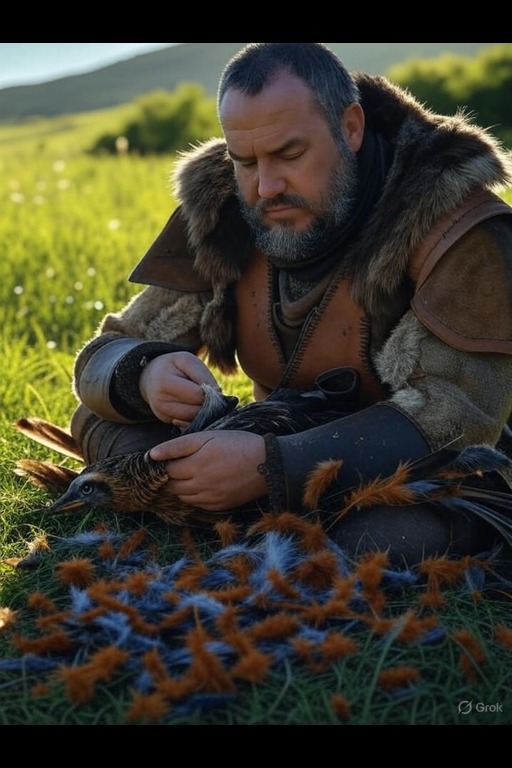
Feathers from game birds are a valuable resource harvested through traps or stalking hunts. Once secured, the birds are typically skinned and quartered in the field to preserve the quality of the hides and meat. Quick curing techniques are employed to safeguard the materials from heat and insects. This resource finds its uses across various industries, including hunting, leatherworking, and trade.
Universal
Biomes
Politics
Alignments
Races
Resources
Classes
Elevations
Religions
World
No accessible MAPs found.
Biome
Politics
Alignment
Race
Resource
Class
HeightMap
Feathers (Game Birds)
Detailed Description
The utilization of feathers from game birds is an essential aspect of life in grassland biomes, where these creatures thrive in the open expanses and lush undergrowth. Hunters skilled in the art of tracking and trapping take great pride in their ability to capture these agile fowl. Employing methods that respect the habits of the birds, they often use traps or stealthy approaches to obtain their quarry with minimal disturbance to the surrounding environment. Once captured, the process of skinning and quartering occurs promptly, preserving the integrity of both meat and hide. This immediate attention to the harvested game is crucial, especially in warmer climates where decay can set in rapidly. Curing the meat is a critical step in ensuring its longevity. Various techniques, such as salting or smoking, are employed to stave off spoilage and enhance the flavor of the final product. Meanwhile, the hides are treated to transform them into durable leather. This leather can be crafted into an array of goods, from armor to simple utility items, providing a testament to the resourcefulness of those who dwell in these grasslands. The bones and antlers, often overlooked, are repurposed into tools or decorative items, showcasing the holistic approach to resource utilization that characterizes effective hunting practices. Trade plays an indispensable role in the distribution of feathers, meat, and by-products. As hunters transport their goods to market, they engage in vital exchanges that connect communities and bolster local economies. In regions where natural resources may dwindle, the availability of game bird products becomes a key component of sustenance and commerce. Enthusiasts and craftsmen alike seek high-quality feathers for their specific needs, whether it be for adornments, ceremonial uses, or practical applications. Thus, the impact of game birds extends beyond mere sustenance, intertwining with the social fabric and economic structures of their environments.
Examples
Feathers from game birds serve diverse purposes in various industries. Hunters utilize the colorful plumes in traditional attire, while leatherworkers craft durable goods from the hides. Cured meats are regularly sought after for their rich flavors, often making their way into local markets. Additionally, bones and antlers find new life in the hands of artisans, transformed into tools and decorations. The trade of these products fosters connections among communities, ensuring that the resource is valued and utilized to its fullest potential.