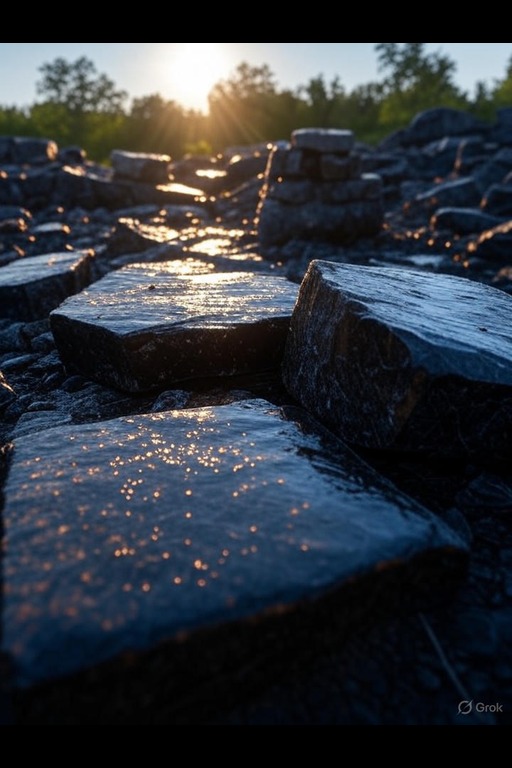
Dolomite is a mineral that forms in sedimentary environments, often found in expansive wetland regions. It is typically quarried or scooped from beds and terraces, with the mineral’s unique properties making it suitable for various applications. Blocks of dolomite are cut for construction purposes, while fines are processed for use in glass and ceramics. Its versatility allows it to play a significant role in trade and industry in areas where it is abundant.
Universal
Biomes
Politics
Alignments
Races
Resources
Classes
Elevations
Religions
World
No accessible MAPs found.
Biome
Politics
Alignment
Race
Resource
Class
HeightMap
Dolomite
Detailed Description
The formation of dolomite occurs through a process known as dolomitization, whereby limestone is altered by the introduction of magnesium-rich waters. This geological transformation imbues dolomite with distinct crystalline structures, enhancing its strength and durability compared to standard limestone. Found predominantly in wetland areas, dolomite deposits often lie beneath layers of rich organic matter, marking a unique intersection of mineralogy and ecology. Quarrying operations typically involve the careful extraction of dolomite from these beds, employing techniques designed to minimize environmental impact while maximizing yield. Once harvested, the dolomite is sorted into various grades, with larger blocks suitable for construction and smaller fines utilized in different industries. The cut stone is prized for its aesthetic qualities and structural integrity, making it a favored choice in architecture. When heated, dolomite undergoes transformation into a flux, which is then used in glass and ceramic production, imparting both strength and clarity to the final products. This versatility highlights the mineral's importance across multiple sectors, including construction, manufacturing, and trade. The trade of dolomite and its byproducts is a significant aspect of the economy in regions where it is abundant. Artisans and builders seek high-quality dolomite for its reliability and characteristic finishes, while manufacturers use the mineral's properties to create a variety of glass and ceramic items. The mineral serves as a vital resource, connecting various industries and facilitating the exchange of goods across vast distances. As demand for sustainable building materials continues to grow, dolomite’s role is likely to evolve, ensuring its place in both contemporary and future markets.
Examples
Common products derived from dolomite include cut stone used in building facades and pathways, alongside glass and cement produced from its powdered form. Ceramics crafted with dolomite benefit from its unique properties, producing durable and visually appealing items. Trade goods made from dolomite are often exchanged between regions, further showcasing the mineral's economic significance. The adaptability of dolomite ensures that it remains a valuable resource in various industries.