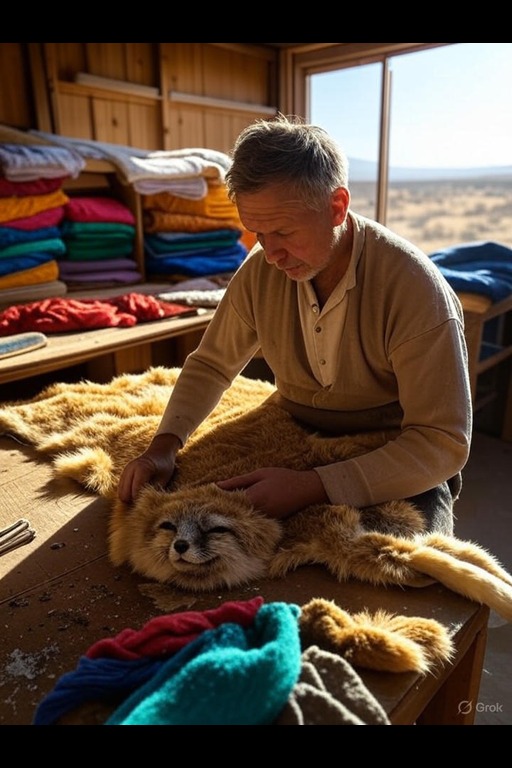
Desert Fox Pelts are a valuable resource found in arid landscapes, primarily harvested from the elusive desert fox. These pelts are characterized by their soft, insulating fur, making them sought after in various industries. Local inhabitants engage in careful harvesting practices to ensure sustainability, balancing the needs of the craft with the health of the fox population. The trade of these pelts supports not only the economy but also the cultural practices surrounding hunting and artisan craftsmanship.
Universal
Biomes
Politics
Alignments
Races
Resources
Classes
Elevations
Religions
World
No accessible MAPs found.
Biome
Politics
Alignment
Race
Resource
Class
HeightMap
Desert Fox Pelts
Detailed Description
The pelts of the desert fox serve as a testament to the resilience and adaptability of life in harsh environments. Found primarily in the hot desert and xeric scrublands, these pelts are prized for their durability and warmth, traits that have made them a staple in both practical and decorative applications. Harvesting these pelts requires skill and an understanding of the delicate ecosystem, as overharvesting could threaten local populations. Experienced gatherers often track seasonal patterns, taking care to act in harmony with the natural rhythms of the terrain and its inhabitants. The process of obtaining and preparing desert fox pelts involves several stages, beginning with respectful hunting techniques that prioritize animal welfare. Once harvested, the pelts undergo a careful tanning process, which transforms them from raw hides into supple, usable materials. Local artisans utilize traditional methods that have been passed down through generations, incorporating both practical knowledge and cultural significance into their craft. The tanning not only preserves the pelts but also enhances their natural beauty, further increasing their value in trade. In the marketplace, cured and tanned desert fox pelts become the foundation for a variety of products, from durable garments to intricate decorative items. The distinct patterns and textures of the fur lend themselves well to the creation of clothing that can withstand the rigors of both daily life and the elements. Furthermore, other byproducts from the hunting process, including bones, are repurposed into tools and ornaments, showcasing the ingenuity of local craftspeople. This holistic approach to resource management ensures that every part of the animal is utilized, fostering a deep respect for the creatures that inhabit these arid regions. The trade in desert fox pelts thus becomes not only an economic endeavor but also a cultural expression, interwoven with the identity of the communities that rely on this resource. Overall, desert fox pelts represent a vital link between humans and their environment, embodying a balance of tradition and sustainability in a landscape that is often unforgiving. As demand for these pelts continues to shape local economies, the responsibility to maintain ethical harvesting practices remains paramount to preserving both the species and the cultural heritage it supports.
Examples
Typical products derived from desert fox pelts include smoked and cured versions, which are favored for their durability and aesthetic appeal. Tanned hides are often fashioned into garments that provide warmth and protection in harsh climates. Additionally, bone tools crafted from the remains of these animals find practical applications in various crafts. Fur garments made from the pelts not only serve functional purposes but also reflect the artistry of local artisans, celebrating the unique relationship between the inhabitants and their environment.