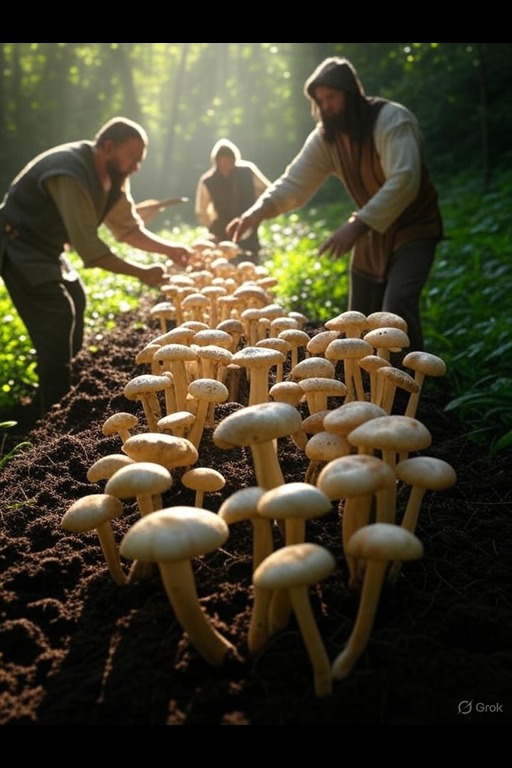
Cultivated Mushrooms are an essential agricultural resource, thriving in environments characterized by their cleanliness and moisture. Grown on nutrient-rich substrates, these fungi are carefully tended to ensure optimal growth conditions. Harvesting occurs at regular intervals, yielding caps and stems that are subsequently trimmed and dried. This meticulous process not only preserves the mushrooms but also enhances their flavors, making them suitable for a variety of culinary applications.
Universal
Biomes
Politics
Alignments
Races
Resources
Classes
Elevations
Religions
World
No accessible MAPs found.
Biome
Politics
Alignment
Race
Resource
Class
HeightMap
Cultivated Mushrooms
Detailed Description
In temperate rainforests and taiga regions, cultivated mushrooms flourish in the moist and shaded undergrowth. The substrate upon which they are raised is often enriched with organic matter, creating a fertile environment for the mycelium to develop. Farmers typically utilize a controlled setting, where temperature and humidity are monitored, allowing for a consistent growth cycle. This attention to detail is crucial, as the quality of the environment directly affects the final yield of mushrooms, impacting their flavor and texture. Harvesting is a delicate process, requiring skilled hands to cut the mushrooms at just the right moment. Each cap and stem is trimmed with care to preserve its integrity and prevent spoilage. After harvesting, the mushrooms are laid out on screened racks for drying, a method that not only reduces moisture but also helps keep unwanted insects at bay. This drying process is vital for extending the shelf life of the mushrooms and intensifying their flavors, making them a coveted ingredient in many culinary traditions. Dried mushrooms are incredibly versatile, lending depth to broths, soups, and sauces. Their concentrated umami flavor enhances a variety of dishes, making them a staple in the kitchens of those who prioritize rich, savory profiles. Beyond culinary uses, mushrooms are also valued in trade, as their preservation makes them easy to transport and sell across distant markets. The cultivation of these fungi thus serves multiple industries, from agriculture and cuisine to trade and preservation, highlighting their importance in sustaining local economies and culinary practices.
Examples
Common products derived from cultivated mushrooms include dried varieties, which are prized for their long shelf life and concentrated flavors. Broths enriched with rehydrated mushrooms impart a complex taste that elevates many dishes. Seasonings made from powdered mushrooms add an earthy depth to various cuisines, while whole mushrooms serve as trade goods, sought after by merchants and restaurateurs alike. These products underscore the integral role that cultivated mushrooms play in both everyday cooking and broader trade networks.