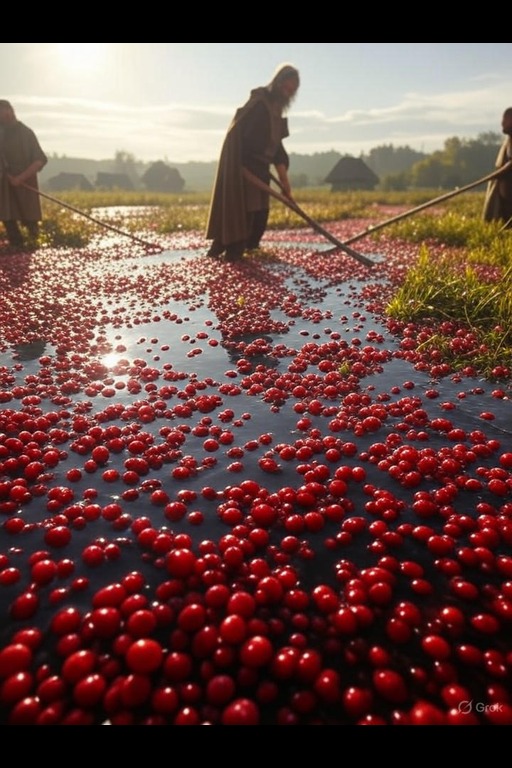
Cranberries are cultivated in boreal wet forests, where a combination of climate and soil conditions create an ideal environment for their growth. The seasonal methods employed by farmers contribute significantly to the quality and yield of this vibrant fruit. Harvesting typically occurs in late summer to early autumn, coinciding with a time of heightened demand and trade. Surplus cranberries are often preserved for long journeys or stored for use during the winter months, making them a staple in various culinary applications.
Universal
Biomes
Politics
Alignments
Races
Resources
Classes
Elevations
Religions
World
No accessible MAPs found.
Biome
Politics
Alignment
Race
Resource
Class
HeightMap
Cranberries
Detailed Description
Cranberries thrive in the unique ecosystems of boreal wet and dry forests, as well as subpolar scrub and wetlands, where the interplay of cool temperatures and moisture creates a favorable habitat. These small, tart fruits grow on low-lying vines that spread across the ground, requiring careful management of water and soil nutrients. Farmers often utilize traditional techniques passed down through generations to cultivate cranberries effectively, ensuring that the delicate balance of moisture is maintained during their growth cycle. This practice not only enhances the fruit's natural flavor but also maximizes the yield during the harvesting season. Harvesting cranberries is a time-honored process that often involves a communal effort. As summer transitions into autumn, the vibrant red berries are carefully collected, typically using specialized rakes or by flooding the bogs, allowing the berries to float to the surface. Once harvested, cranberries are sorted based on size and quality, with the best specimens reserved for fresh consumption and trade. The remainder may be dried, turned into jams, or fermented into beverages, showcasing the versatility of this fruit in culinary applications. Cranberries are not only prized for their flavor but also for their ability to be preserved. Dried cranberries, for instance, become a popular choice for travelers and those preparing for the winter months. These preserved forms retain much of the fruit's nutritional value and are highly sought after for their convenience and flavor. Additionally, the high acidity of cranberries lends itself well to fermentation, resulting in the creation of unique beverages such as cranberry wine or juice that reflect the region’s agricultural heritage. The trade of cranberries and their byproducts also plays a significant role in local economies, fostering connections between neighboring regions through the exchange of goods. The presence of cranberries in various culinary traditions highlights their adaptability and enduring appeal across diverse diets and cuisines.
Examples
Common products derived from cranberries include dried cranberries, which serve as a nutritious snack, and cranberry jam, a tart complement to breakfast dishes. Candied cranberries provide a sweet treat, while cranberry wine and juice offer refreshing beverages that capture the essence of the fruit. These products not only showcase the culinary potential of cranberries but also illustrate the resource's importance in trade and preservation practices.