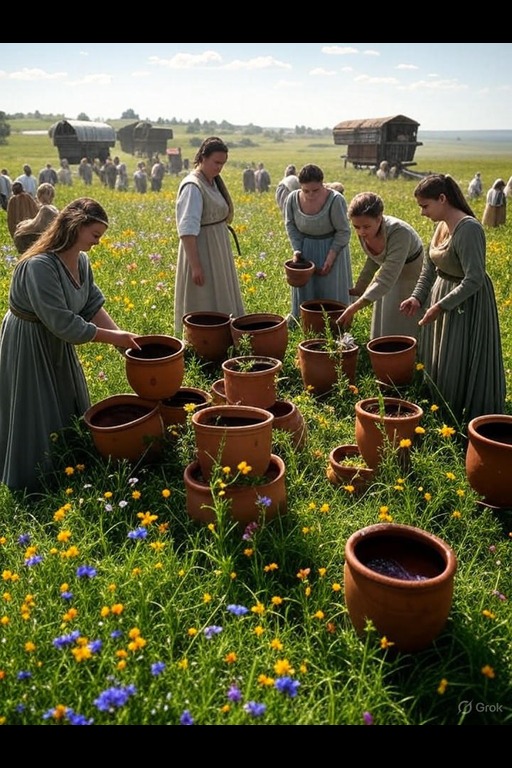
Cow Milk is cultivated or harvested in the Savanna, shaped by climate, soils, and tradition. Seasonal methods influence quality and yield, and surpluses are traded to neighboring regions. Caravans prize preserved forms for long journeys and winter stores. This resource plays a vital role in the local economy, contributing to various industries and culinary practices.
Universal
Biomes
Politics
Alignments
Races
Resources
Classes
Elevations
Religions
World
No accessible MAPs found.
Biome
Politics
Alignment
Race
Resource
Class
HeightMap
Cow Milk
Detailed Description
The production of Cow Milk in the Savanna is heavily influenced by the unique environmental conditions of the biome. With its warm temperatures and seasonal rainfall, the Savanna provides an ideal habitat for cattle. Farmers employ a range of traditional techniques to manage herds and optimize milk production, adapting to the land's natural rhythms. The quality of Cow Milk can vary significantly depending on grazing practices and the specific breeds of cattle raised, with some producing richer, creamier milk than others. These factors, combined with the local flora that cattle consume, contribute to the distinctive flavor profile of the milk harvested in this region. Harvesting typically occurs during specific times of the day when the cows are most docile, ensuring the process is efficient and humane. Milk is collected by skilled hands, often using methods passed down through generations. Once harvested, the milk must be quickly processed to maintain its freshness. In many communities, it is not uncommon for families to have their own methods of preservation or transformation, with techniques ranging from simple refrigeration to more sophisticated curing processes that allow for long-term storage. The versatility of Cow Milk gives rise to a variety of products that serve different purposes within the community. From rich, creamy cheeses crafted for local markets to broths and stews that form the basis of daily meals, the importance of this resource cannot be overstated. Additionally, Cow Milk finds its place in textile industries, where it is sometimes used to process fibers. Surpluses are often traded with neighboring regions, leading to economic exchanges that bolster local livelihoods. Caravans, laden with preserved milk products, embark on long journeys, ensuring that this vital resource reaches further destinations even in challenging conditions. As such, Cow Milk is not merely a dietary staple; it is an integral component of cultural identity and economic sustenance in the Savanna. The impact of Cow Milk extends beyond the immediate community, influencing trade networks and culinary traditions that shape the broader landscape. Seasonal variations see fluctuations in availability, prompting innovative approaches to trade and storage. Whether it is through the artisanal crafting of aged cheeses or the preparation of hearty stews, Cow Milk remains a cherished ingredient that connects people to their land and each other, embodying the spirit of the Savanna itself.
Examples
Cow Milk is transformed into a plethora of culinary delights, each reflecting local tastes and traditions. Fresh Cow Milk is often consumed directly, prized for its creamy texture and nourishing properties. Cheese made from Cow Milk is celebrated for its varied flavors and is a common feature in communal meals. Cured forms of Cow Milk are favored for their longevity, making them ideal for trade during long journeys. Additionally, Cow Milk broth and stew serve as hearty staples, bringing warmth and comfort to families across the region.