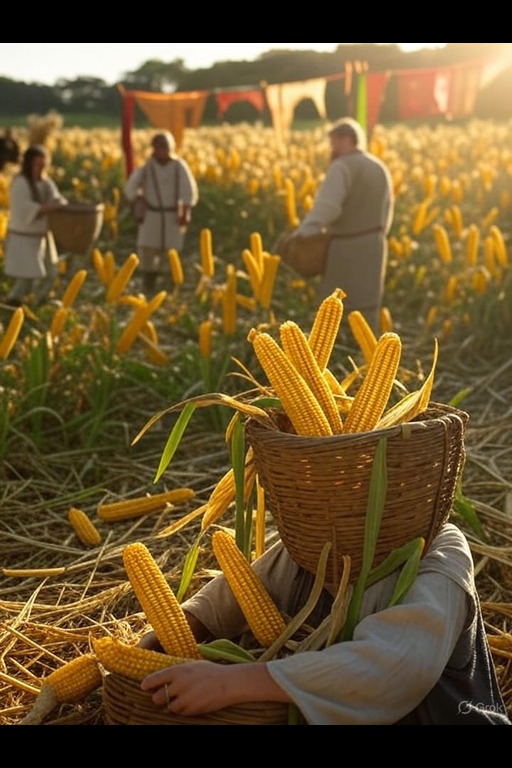
Corn is a vital agricultural resource cultivated across various biomes, particularly in savannas and dry forests. Its growth is closely tied to seasonal patterns, soil quality, and traditional farming practices. Farmers nurture corn to achieve optimal yields, often leading to surpluses that foster trade among neighboring regions. The versatility of corn allows it to be transformed into numerous products, making it a staple in many diets.
Universal
Biomes
Politics
Alignments
Races
Resources
Classes
Elevations
Religions
World
No accessible MAPs found.
Biome
Politics
Alignment
Race
Resource
Class
HeightMap
Corn
Detailed Description
The cultivation of corn is an integral aspect of agricultural practices in numerous environments, especially within the savanna and tropical dry forests. Farmers utilize specific techniques that align with the regional climate and soil qualities to foster the growth of this crop. The method of planting, maintenance, and harvesting can vary significantly, influenced by local traditions and seasonal changes. As corn grows, it absorbs nutrients from the soil, requiring careful management to ensure sustainability and long-term productivity. Seasonal fluctuations play a crucial role in the lifecycle of corn. During the rainy season, farmers carefully prepare the fields, planting seeds at optimal times to take advantage of the increased moisture. As the dry season approaches, irrigation practices may be employed to support growth. The timing of these activities directly affects the quality and quantity of the harvest. Corn is often harvested when the kernels are firm and fully developed, which is a critical period requiring keen attention from farmers. Surpluses from successful harvests not only feed local populations but also become commodities for trade, enriching the economic fabric of surrounding areas. In addition to its role in sustenance, corn serves as a foundation for various industries. From milling to create flour, to baking breads and sweet treats, the versatility of corn ensures its presence in numerous culinary applications. Its transformation into products such as porridge and crackers showcases the adaptability of this crop in everyday diets. Furthermore, corn is often fermented to produce beverages, adding an additional layer of cultural significance to its use. The importance of corn extends beyond mere consumption; it is a symbol of agricultural heritage and community, linking farmers and consumers across vast distances.
Examples
Common products derived from corn include flour, widely used in baking and cooking, and bread, a staple in many diets. Corn porridge serves as a nutritious breakfast option, while corn beer offers a refreshing beverage. Additionally, corn crackers provide a convenient snack, highlighting the versatility of this important crop.