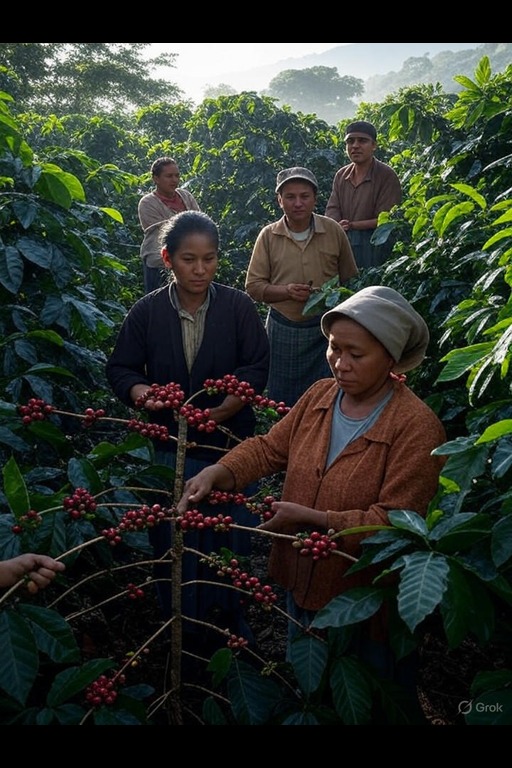
Coffee is a beloved resource cultivated in tropical climates, thriving in the rich soils and diverse ecosystems of dry and wet forests. Its cultivation is closely tied to seasonal weather patterns, which significantly impact both the quality and yield of the beans. Farmers employ traditional methods, often passed down through generations, to ensure successful harvests. Surpluses are frequently traded with neighboring regions, and preserved forms are particularly sought after for long journeys and winter storage.
Universal
Biomes
Politics
Alignments
Races
Resources
Classes
Elevations
Religions
World
No accessible MAPs found.
Biome
Politics
Alignment
Race
Resource
Class
HeightMap
Coffee
Detailed Description
The cultivation of coffee is a complex interplay of climate, soil, and agricultural practices shaped by both natural conditions and human tradition. In tropical environments, coffee thrives in the underbrush of rainforests and dry forests alike, where the canopy provides essential shade and the soil retains moisture. Seasons dictate the rhythm of farming, with specific times deemed optimal for planting and harvesting. Farmers often rely on local knowledge to determine the best practices for their unique microclimates, ensuring that their crops flourish in harmony with the environment. Harvesting coffee beans is an art form, often requiring meticulous labor to hand-pick only the ripest berries. This labor-intensive process allows for a higher quality product, as each berry is selected based on its maturity and flavor potential. After harvesting, the beans undergo various methods of processing, which can include washing, drying, and roasting. These steps are crucial in developing the rich flavors that coffee is renowned for. The processed beans are then either sold fresh or ground for immediate consumption, while some are preserved for later use, making them ideal for trading or long-term storage. The versatility of coffee extends beyond mere consumption; it intersects with multiple industries. In culinary realms, coffee enhances dishes through unique spice blends or serves as a base for various beverages. Herbalists and alchemists alike value coffee for its stimulating properties, often incorporating it into tinctures or herbal teas. Its adaptability lends itself to creative uses, from coffee salves that provide invigorating benefits to complex flavor profiles in gourmet cooking. This multifaceted nature solidifies coffee’s place not only as a favored beverage but as a significant resource within both local and broader economies.
Examples
Across various cultures, coffee is transformed into an array of products that showcase its versatility. Ground coffee serves as the foundation for morning rituals, while coffee tinctures are crafted for their potential invigorating properties. Coffee tea offers a unique twist for those seeking an alternative to traditional brews, and spice blends featuring coffee can elevate both sweet and savory dishes. Additionally, coffee salves are utilized for their rejuvenating qualities, demonstrating the resource's multifaceted applications across different industries.