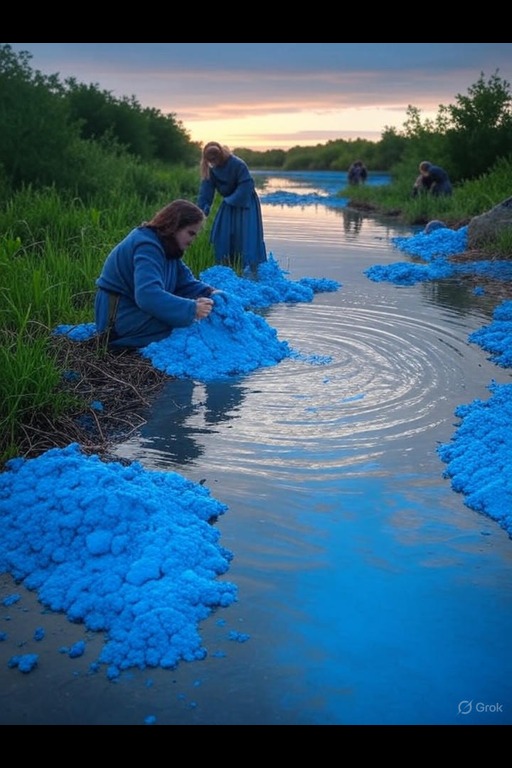
Clay (Blue) is a versatile mineral found in wetland regions, typically extracted from natural beds and terraces. It is renowned for its fine texture and unique coloring, making it a sought-after resource in various industries. After extraction, the clay is often processed into distinct forms for construction, ceramics, and glass production. Its adaptability and ease of manipulation contribute to its value in trade and craftsmanship.
Universal
Biomes
Politics
Alignments
Races
Resources
Classes
Elevations
Religions
World
No accessible MAPs found.
Biome
Politics
Alignment
Race
Resource
Class
HeightMap
Clay (Blue)
Detailed Description
In the heart of wetland ecosystems, clay (blue) emerges as a valuable mineral prized for its distinctive qualities. This clay is formed through the gradual weathering of rocks, which, combined with the influence of water, creates a rich, malleable substance. It is typically quarried or scooped from the earth, where it lies in beds or terraces, often near water sources. The extraction process requires skillful handling to avoid compromising its integrity, as the clay must retain its plasticity for various applications. Once harvested, the clay is sorted into blocks and fines, allowing artisans to utilize each form according to specific needs. In the construction industry, blue clay is often cut into stone-like blocks, providing a durable material for building structures. Its natural properties lend strength and stability to walls and foundations, making it a preferred choice among builders. Additionally, the clay's unique hue adds aesthetic appeal, blending harmoniously with various architectural styles. Beyond construction, blue clay is also prized in the realms of ceramics and glass-making. When fired at high temperatures, it transforms into resilient ceramics, suitable for both functional and decorative objects. The same clay can also be melted to create glazes or glass, enhancing the vibrancy of color and texture in finished products. Trade in blue clay is robust, as its applications extend far beyond local use. Artisans and merchants transport this resource across regions, where its versatility is recognized and appreciated. Ceramics crafted from blue clay often fetch higher prices due to their quality, while glass produced from it is regarded for its clarity and finish. The enduring nature of this mineral ensures that it remains a cornerstone of craftsmanship and industry, connecting communities through shared resources and techniques. As sustainable practices become increasingly important, the methods used to extract and process blue clay have evolved, emphasizing minimal impact on the delicate wetland environments from which it is sourced.
Examples
Common products derived from blue clay include cut stone, which serves as both a structural element and a decorative feature in architecture. Additionally, the clay is transformed into vibrant ceramics that range from simple pottery to intricate art pieces, showcasing the skill of the artisan. Glass and cement made from blue clay exhibit enhanced durability, making them preferred materials for construction projects. Trade goods featuring blue clay often attract attention at markets, reflecting the cultural significance of this mineral in craftsmanship and commerce.