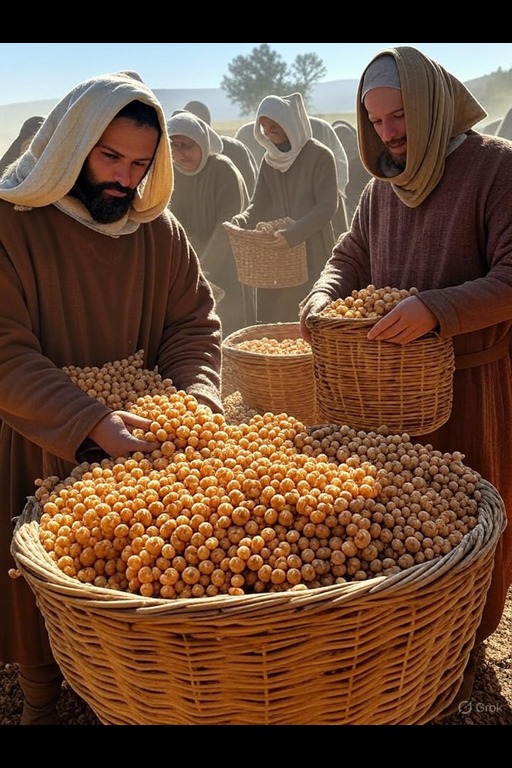
Chickpeas are a vital crop cultivated in arid regions characterized by hot deserts and xeric scrublands. The resilience of this legume allows it to thrive in challenging climates, where traditional farming practices are closely linked to seasonal patterns. Harvested chickpeas are often preserved for long journeys or stored for winter, making them a staple in trade. Their versatility in culinary applications, from simple dishes to spiced delights, has earned them a prominent place in various diets.
Universal
Biomes
Politics
Alignments
Races
Resources
Classes
Elevations
Religions
World
No accessible MAPs found.
Biome
Politics
Alignment
Race
Resource
Class
HeightMap
Chickpeas
Detailed Description
Chickpeas, known for their robust nature, are a staple crop grown in some of the most inhospitable landscapes, including hot deserts and rocky expanses. These legumes excel in areas where water is scarce, adapting to the rhythm of seasonal rains and the harshness of drought. Farmers have developed innovative techniques to cultivate chickpeas, relying on traditional knowledge passed down through generations. This synergy of climate and culture ensures a reliable yield, even in the face of adversity. Harvesting typically occurs during the warm months, when the plants reach maturity and their earthy pods turn a golden hue, indicating readiness. The chickpeas are then carefully collected, often by hand, to preserve their integrity. Once harvested, they can be dried for long-term storage, a practice that enhances their texture and flavor. Dried chickpeas are a fundamental ingredient in countless recipes, celebrated for their nutty taste and versatility in various culinary traditions. They may also be fermented or spiced to create distinctive dishes that further showcase their adaptability. In addition to their culinary applications, chickpeas are a key commodity in trade, particularly in regions where food preservation techniques are essential for survival. Caravans laden with dried or preserved chickpeas traverse vast distances, providing sustenance and nutrition to those along their routes. This trade not only facilitates the exchange of goods but also fosters cultural connections among distant communities. As such, chickpeas serve not just as a source of food, but as a bridge between diverse peoples and practices, enriching the tapestry of life in arid landscapes.
Examples
Dried chickpeas are commonly used in soups and stews, prized for their ability to absorb flavors while providing substantial nourishment. Preserved chickpeas, often found in jars or pouches, are a convenient option for travelers seeking sustenance during long journeys. Fermented chickpeas can create tangy dishes that are both nutritious and flavorful, while spiced chickpeas offer a fiery kick to meals. Candied chickpeas serve as a delightful treat, showcasing the legume's versatility beyond savory applications.