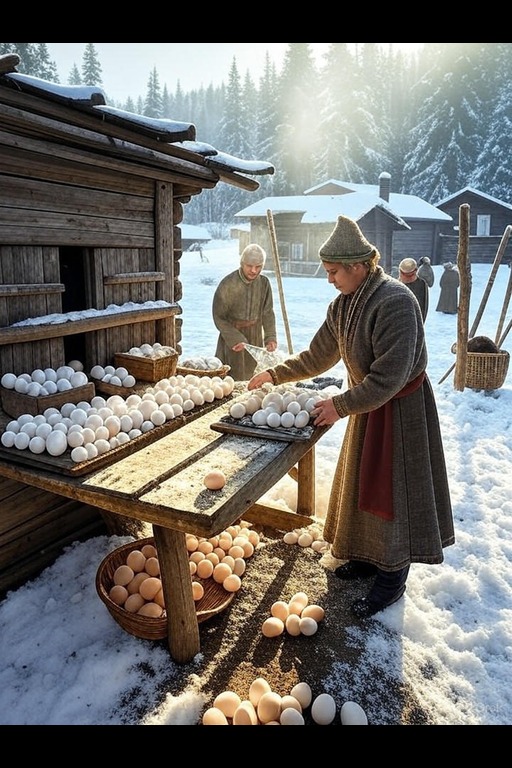
Chicken eggs are a vital resource cultivated in the taiga biome, where the harsh climate necessitates careful management of livestock. Raised with consistent feed and access to clean water, these eggs provide a rich source of nutrition. As the seasons change, gathering is timed to ensure optimal freshness before preservation methods are applied. Techniques such as smoking, salting, or curing extend their shelf life, supporting long-distance trade and storage needs.
Universal
Biomes
Politics
Alignments
Races
Resources
Classes
Elevations
Religions
World
No accessible MAPs found.
Biome
Politics
Alignment
Race
Resource
Class
HeightMap
Chicken Eggs
Detailed Description
In the taiga, the cultivation of chicken eggs plays a significant role in the local economy and sustenance. The environment, characterized by its cold winters and brief summers, demands that farmers provide steady nourishment for their flocks. Chickens are typically kept in coops that offer protection from the elements, and their feed often consists of grains, seeds, and any available forage. Water sources are maintained to ensure the birds remain hydrated and healthy, which is crucial for consistent egg production throughout the year. This careful husbandry fosters a cycle of life that sustains both the birds and the communities that rely on them. Gathering chicken eggs is an activity closely tied to the rhythms of nature. As the days lengthen and temperatures rise in spring, egg production increases, providing a bounty that is eagerly collected. The timing of collection is crucial; eggs are gathered regularly to prevent spoilage and to ensure that only the freshest specimens are preserved. This practice aligns with seasonal changes, where each transition—from the thawing of the ground in spring to the harvest of autumn—brings its own challenges and rewards for those engaged in egg production. Preservation methods are essential, particularly in a climate where food security is a constant concern. After collection, chicken eggs are often subjected to various techniques to extend their usability. Smoking, for instance, adds a distinct flavor while inhibiting spoilage, while salting and curing offer additional methods to ensure that eggs can be stored for extended periods. The resulting products are not only vital for local diets but also serve as crucial trade goods, exchanged for other resources, such as meat, fish, and dairy items. Such practices contribute to a diverse food trade that sustains surrounding communities and facilitates necessary exchanges across far-reaching distances. Among the industries relying on chicken eggs are husbandry, food trade, and preservation. The versatility of eggs allows them to be transformed into a variety of products, from simple culinary ingredients to more complex cured goods. The skins of eggs, when discarded, can also find a secondary purpose in leather processing, showcasing the resource's multifaceted contributions to local economies. Thus, chicken eggs stand out as a cornerstone of sustenance and commerce in the taiga, embodying the intricate interplay between nature, agriculture, and trade.
Examples
Common products derived from chicken eggs include a range of culinary staples, such as omelets, custards, and baked goods. Preserved eggs, treated through methods like smoking or curing, become sought-after delicacies, enriching local diets. Additionally, the byproducts from egg production, such as feathers and shells, may be repurposed in various industries, including crafting and fishing. The trade of these eggs not only enhances the food supply but also supports a network of commerce that links rural producers to urban markets.