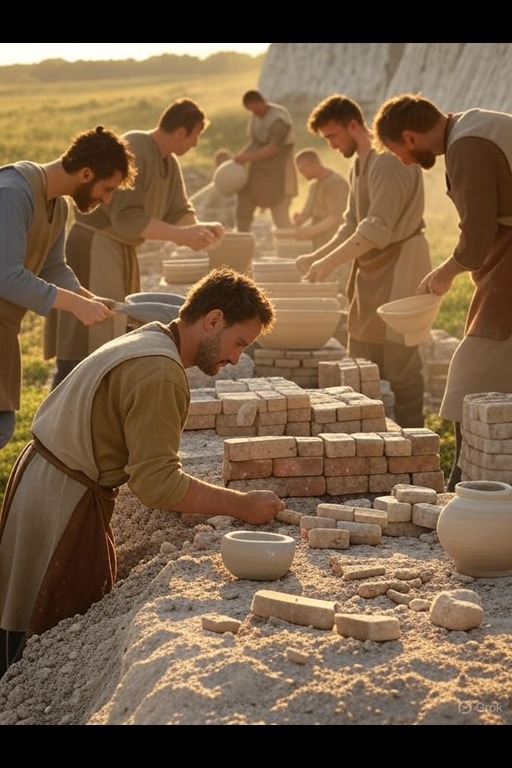
Chalk deposits are formed by the accumulation of calcite and other minerals over thousands of years, often found in exposed outcrops and sedimentary layers. These deposits are highly valued in various industries for their versatility and utility. Skilled laborers extract chalk, which is then graded based on its quality and purpose. The best pieces are crafted into useful products, while finer materials are prepared for use in construction and pottery applications.
Universal
Biomes
Politics
Alignments
Races
Resources
Classes
Elevations
Religions
World
No accessible MAPs found.
Biome
Politics
Alignment
Race
Resource
Class
HeightMap
Chalk Deposits
Detailed Description
Chalk deposits are a natural resource resulting from the slow geological processes that create sedimentary rock formations. Typically found in regions where ancient seas once existed, these deposits consist primarily of calcium carbonate, often combined with other minerals. The chalk is easily accessible in grassland biomes, where erosion has exposed the underlying layers to the elements, making it an ideal material for extraction. Workers utilize hand tools or mechanical means to dig out the chalk, often sorting and grading it on-site based on its intended use. This practice ensures that only the highest-quality pieces are selected for construction and craftsmanship, while the finer remnants are reserved for other purposes. In the construction industry, chalk is an essential ingredient for producing a variety of building materials. Its durability and workability make it suitable for creating bricks and tiles that are not only robust but also aesthetically pleasing. Additionally, chalk is used in the manufacturing of ceramics, where it contributes to the strength and finish of pottery items. The fine chalk dust, once processed, is ideal for making mortar, providing a strong adhesive for building projects. Thus, the versatility of chalk supports a wide array of applications, from foundational structures to intricate decorative elements. Trade in chalk deposits flourishes due to their universal demand across multiple sectors. Merchants transport crates of graded chalk to distant markets, where stonemasons and potters eagerly await fresh supplies. The valuable nature of this resource fosters a vibrant exchange and stimulates economic growth in communities surrounding chalk-rich areas. As a result, chalk deposits not only serve practical purposes but also play a significant role in the cultural and economic fabric of those who rely on them. Overall, the extraction and application of chalk deposits represent a blend of natural resource management and craftsmanship that has endured through the ages.
Examples
Chalk is commonly transformed into bricks and tiles, which are prized for their light weight and thermal properties. Other industries benefit from its use in ceramics, where it enhances the texture and strength of pottery. Cut stone crafted from high-quality chalk finds its place in both functional and decorative architecture, while the fine chalk dust often becomes a staple in trade as a versatile building material. Across various settings, these products highlight the resource's wide-ranging applicability and enduring value.