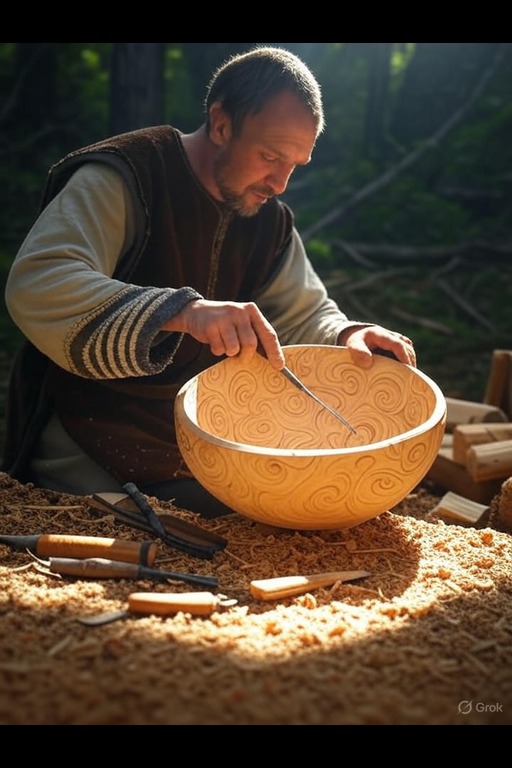
Burl is a unique hardwood formation found in seasonal rainforests, characterized by its swirled and gnarled growths. These irregularities in the tree’s grain create a tapestry of intricate patterns that reveal themselves when cut. Artisans and carvers highly value burl for its aesthetic appeal and versatility, often using it in the creation of fine instruments and decorative panels. The rich textures and colors of burl make each piece distinct, lending character to any crafted item.
Universal
Biomes
Politics
Alignments
Races
Resources
Classes
Elevations
Religions
World
No accessible MAPs found.
Biome
Politics
Alignment
Race
Resource
Class
HeightMap
Burl (Hardwood Knots)
Detailed Description
Burl forms when a tree responds to stress, injury, or disease, resulting in unusual growths that can be found on various hardwood species. The combination of genetics and environmental conditions leads to the creation of these fascinating knots, which can vary greatly in size and shape. When harvested and processed, the wood reveals a complex grain filled with swirling patterns and colors, making burl a prized material among craftsmen. The process of transforming burl into beautiful objects is an art in itself, requiring skill and an eye for detail to enhance its natural beauty. In carpentry, burl is often utilized for crafting items such as turned bowls and instrument bodies, where the striking patterns become a focal point of the design. Its density and durability further add to its appeal, allowing artisans to create pieces that are both functional and visually stunning. Decorative arts benefit greatly from the use of burl as well, as its unique textures can elevate simple designs into extraordinary works of art. Sculptors might carve intricate forms from burl, taking advantage of the natural contours that lend a sense of movement and fluidity to their creations. Trade plays a significant role in the distribution of burl as well, with artisans and merchants seeking this exceptional resource to offer unique products to their clientele. The rarity of burl, combined with its striking appearance, ensures that it remains a sought-after commodity in various markets. As the popularity of handcrafted goods continues to rise, the demand for burl will likely persist, cementing its status as a cornerstone material in the crafting world.
Examples
Common products made from burl include turned bowls that showcase its captivating grain and instrument bodies that enhance both sound and aesthetic. Carved panels often feature intricate designs that highlight the unique patterns found within the wood. Inlays crafted from burl can add a touch of elegance to furniture, while trade goods made from this remarkable material offer collectors and enthusiasts a glimpse into the artistry of its creation. Each item made from burl not only serves a purpose but also tells a story of the tree from which it originated.