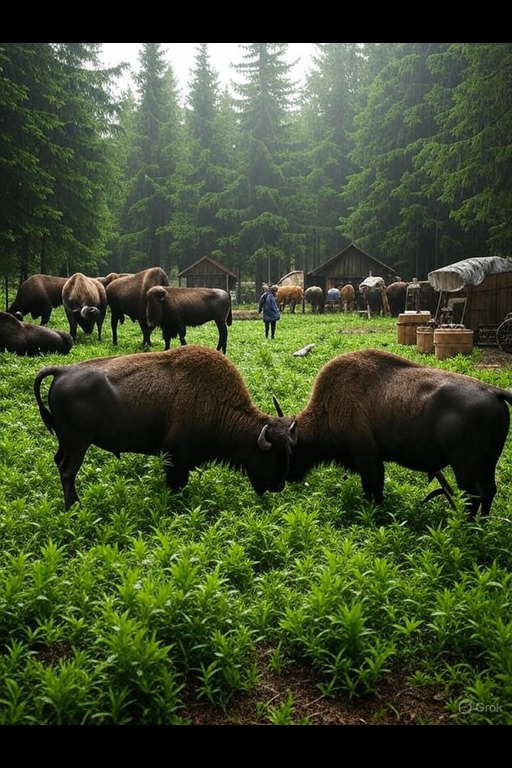
Bison Milk is a valued resource harvested in the coniferous wet forest biome, where a unique blend of climate and soil conditions contributes to its exceptional quality. The techniques employed in its cultivation are deeply rooted in local tradition, influencing both the yield and character of the milk. Seasonal variations impact the richness and flavor, resulting in distinctive products that reflect their environment. Surpluses of Bison Milk are commonly traded with neighboring regions, enhancing its significance as a staple in local economies.
Universal
Biomes
Politics
Alignments
Races
Resources
Classes
Elevations
Religions
World
No accessible MAPs found.
Biome
Politics
Alignment
Race
Resource
Class
HeightMap
Bison Milk
Detailed Description
The cultivation of Bison Milk is a practice that has evolved over generations, deeply entwined with the agricultural traditions of the area. In the coniferous wet forests, where lush vegetation thrives beneath the canopy, bison are raised in close-knit herds. The animals graze on a diverse diet of grasses and herbs, which contributes to the creamy texture and unique flavor profile of the milk. Farmers employ a range of techniques to care for the bison and manage their milking, with seasonal methods directly affecting the quality and quantity of milk produced. During the milking season, great care is taken to ensure that the animals are healthy and stress-free, as a tranquil environment leads to richer yields. As the seasons shift, so too do the practices surrounding the care of these animals, leading to variations in the milk’s characteristics throughout the year. In addition to direct consumption, Bison Milk is transformed into an array of products that showcase its versatility. From rich cheeses to hearty stews, the milk serves as a foundation for numerous dishes that nourish both body and spirit. Fresh Bison Milk is often enjoyed on its own, celebrated for its creamy texture and slightly sweet taste. Preserved forms, such as cured Bison Milk, are particularly valued, as they can sustain travelers on long journeys and provide sustenance through harsh winters. These preserved products are crafted with skill, ensuring that flavors and nutrients are maintained for extended periods. The trade of Bison Milk and its derivatives plays a critical role in local economies, with caravans transporting these goods to far-flung destinations, enriching the cultural tapestry of the regions involved. The process of making Bison Milk products is not merely a matter of sustenance; it reflects a deep connection to the land and the traditions of those who cultivate it. Ultimately, the significance of Bison Milk extends far beyond its nutritional benefits. It is a symbol of the harmonious balance between nature and human ingenuity, a resource that embodies the essence of its environment. The intricate relationship between farmers and their herds fosters a sense of community and shared purpose, as generations have learned to respect and adapt to the rhythms of the land. This commitment to sustainable practices ensures that Bison Milk remains a cherished part of local culture and cuisine for years to come.
Examples
The bounty of Bison Milk gives rise to a variety of products that are staples in local diets. Fresh Bison Milk is often consumed on its own, while Bison Milk cheese is crafted into rich, flavorful varieties that pair well with local breads. Cured Bison Milk provides a unique taste experience, ideal for preserving during long winters. Hearty stews and broths made from Bison Milk reflect the regional culinary traditions, combining simple ingredients to create satisfying meals. The resource's versatility ensures its importance in both everyday life and special occasions.