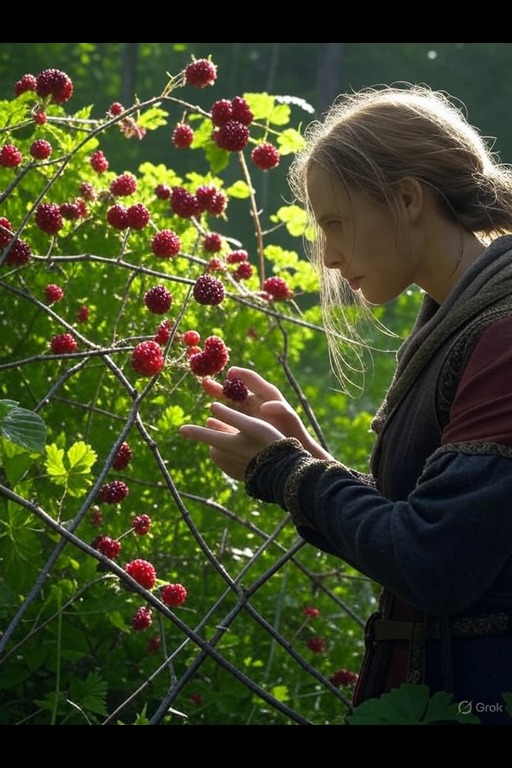
Berry Thickets are dense clusters of shrubbery found primarily in temperate forests, thriving in both deciduous and coniferous environments. They are a vital resource for local communities, offering a bounty of edible fruits that support culinary traditions and trade. Harvesters must possess skill and knowledge of the seasons to gather berries sustainably, ensuring the health of future crops. These thickets are often located near settlements, fostering a connection between nature and everyday life.
Universal
Biomes
Politics
Alignments
Races
Resources
Classes
Elevations
Religions
World
No accessible MAPs found.
Biome
Politics
Alignment
Race
Resource
Class
HeightMap
Berry Thickets
Detailed Description
The presence of Berry Thickets enriches the ecosystem of temperate forests, providing essential habitat for various fauna while producing a diverse array of fruits. These thickets typically consist of multiple species of shrubs, each yielding distinct berries that vary in flavor, appearance, and culinary use. The structure of the thicket creates a microclimate, protecting the plants from harsh weather conditions and allowing them to thrive in the understory of taller trees. This environment is crucial for the berries’ growth cycle, which is closely tied to seasonal changes that dictate when harvesting can occur. Harvesting berries requires an understanding of the rhythms of nature, as different species ripen at different times throughout the year. Experienced foragers know the ideal periods for gathering, ensuring that they do not overexert the thickets, allowing for sustainable practices that support both current needs and future availability. The act of gathering berries can be both a solitary and communal experience, often engaging families and communities in a shared tradition that enhances social bonds. Beyond their immediate culinary applications, berries from these thickets contribute significantly to local industries such as herbalism and medicine. The fruits can be transformed into herbal teas, tinctures, and salves, revered for their potential health benefits. Dried greens and spice sachets made from the leaves and stems of berry-producing plants also play a role in culinary creations, adding flavor and depth to various dishes. As trade routes develop, the berries become sought-after commodities, with skilled merchants facilitating exchanges that promote economic growth. Thus, Berry Thickets not only nourish the body but also serve as a cornerstone for community sustainability and economic activity.
Examples
Berry Thickets yield a variety of products cherished for their flavor and health benefits. Herbal teas crafted from the dried leaves of berry plants provide soothing flavors and calming effects, while tinctures made from the fruits are often sought for their perceived medicinal properties. Salves derived from the oils of certain berries can be used for skin care, highlighting the versatility of these natural resources. Spice sachets, combining dried berry leaves and other aromatic herbs, add unique flavors to culinary creations, showcasing the rich potential of what these thickets offer.