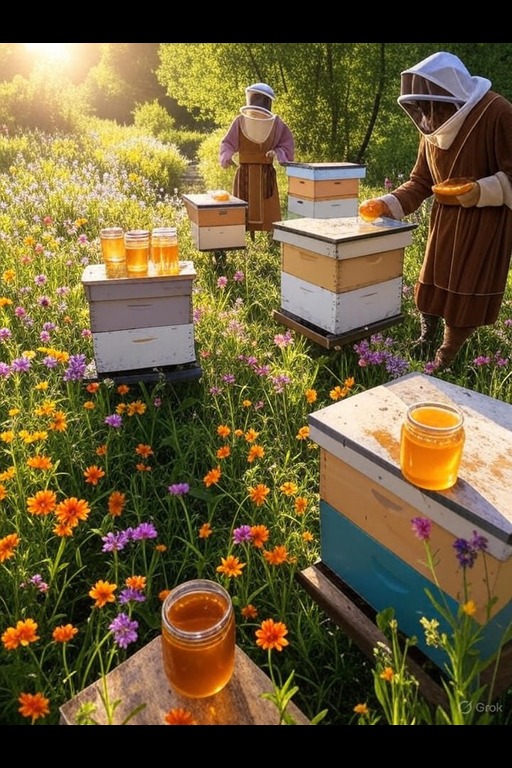
Apiary Honey (Marsh) is a rich resource cultivated from hives strategically placed in wetland areas. The bees thrive on the abundant flora, producing a unique honey that reflects the diverse plant life of the marsh. As the seasons change, careful harvesting ensures that the honey is collected at its peak quality. This honey is often preserved through various methods to endure long journeys and maintain its freshness.
Universal
Biomes
Politics
Alignments
Races
Resources
Classes
Elevations
Religions
World
No accessible MAPs found.
Biome
Politics
Alignment
Race
Resource
Class
HeightMap
Apiary Honey (Marsh)
Detailed Description
In the realm of farmed resources, Apiary Honey (Marsh) stands out for its deep connection to the lush, vibrant ecosystems of wetlands. The bees that produce this honey are meticulously managed within hives that are situated to maximize their access to a variety of flowering plants. The diverse diet of these bees results in a honey that boasts complex flavors and a rich texture, making it a sought-after commodity for both local consumption and trade. The careful stewardship of the hives reflects a deep understanding of the seasonal patterns that govern the wetlands, allowing beekeepers to synchronize their harvesting activities with the natural rhythms of the environment. The process of gathering Apiary Honey involves a blend of traditional techniques and innovative practices to ensure quality and sustainability. As seasons transition, beekeepers monitor their hives closely, assessing the health of the bee colonies and the abundance of flora. Harvesting is conducted with great care to minimize disruption to the bees, often resulting in a bountiful yield during peak flowering periods. Once collected, the honey is swiftly processed to preserve its exquisite taste and nutritional value. Various preservation methods, such as smoking or curing, are employed to protect the honey from degradation during transport. This focus on preservation is essential for maintaining the quality of the honey over long distances, particularly in areas that rely on trade networks. The industries surrounding Apiary Honey (Marsh) are diverse, contributing to a broader economy that thrives on the resources harvested from wetlands. Honey serves not only as a sweetener but also as a key ingredient in many cured goods and preserves, enhancing the flavors of meat and fish products. The preservation techniques extend beyond honey, influencing practices in leather and fish processing as well, where the knowledge of maintaining freshness and quality is paramount. The honey's versatility allows it to play a vital role in food trade, making it an indispensable item for merchants and local populations alike. Its appeal spans culinary uses, medicinal applications, and even inclusion in various cultural practices, underscoring the multifaceted value of this remarkable resource.
Examples
Apiary Honey (Marsh) is frequently utilized in the crafting of high-quality cured meats, where it enhances flavor profiles and acts as a natural preservative. Additionally, the honey is often incorporated into dairy products, providing a sweet balance to cheeses and yogurts. It is a sought-after ingredient in trading markets, valued for its unique taste and the craftsmanship involved in its production. Merchants often utilize it to create various trade goods, promoting its versatility in both culinary and preservation contexts.