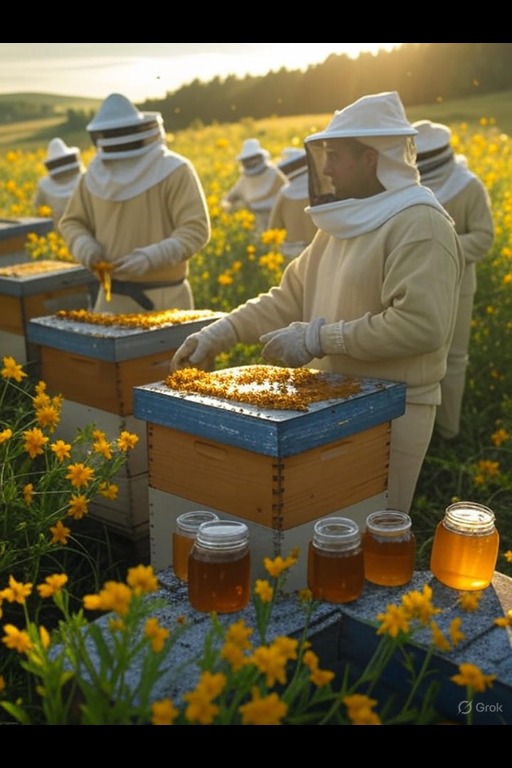
Apiary Honey is a valued resource cultivated within grassland environments, where bees thrive among diverse flowering plants. This honey is produced through careful husbandry practices, ensuring the bees have steady access to feed and clean water throughout the seasons. As the harvesting period approaches, beekeepers gather the honey in a manner that maintains its quality and flavor. The honey is then swiftly preserved through various methods, such as smoking or curing, enabling it to endure long journeys and remain a staple in trade.
Universal
Biomes
Politics
Alignments
Races
Resources
Classes
Elevations
Religions
World
No accessible MAPs found.
Biome
Politics
Alignment
Race
Resource
Class
HeightMap
Apiary Honey
Detailed Description
Within the expansive grasslands, the art of beekeeping flourishes, allowing for the production of Apiary Honey, which is both a delicacy and a crucial trade good. Beekeepers create ideal habitats for their colonies, planting an array of flowering crops that attract bees throughout the growing season. These environments foster a symbiotic relationship where the bees contribute to pollination, further enhancing the yield of surrounding flora, which in turn provides sustenance for the bees. This thoughtful cultivation ensures that the honey is rich in flavor and varied in its characteristics, reflective of the diverse nectar sources available in the biome. The process of harvesting Apiary Honey is meticulously timed, with beekeepers knowledgeable of seasonal shifts that affect both bee behavior and floral availability. During the peak flowering seasons, honey is gathered, ensuring that only the best-quality product is selected. Care is taken to collect the honey without harming the colonies, as maintaining healthy bee populations is essential for ongoing production. Once harvested, the honey is subjected to rapid preservation techniques to extend its shelf life. Common methods include smoking, which infuses the honey with a subtle flavor and aids in preservation, and curing, where it is mixed with other ingredients to enhance its longevity and taste. Such preserved honey finds its way into various sectors. It serves as a natural sweetener in numerous culinary applications, enriching both simple and complex dishes alike. The food trade benefits immensely from Apiary Honey, as it complements a range of products including meats, dairy, and cured goods, making it a versatile ingredient that elevates the quality and appeal of these items. Furthermore, its applications extend beyond culinary uses, finding footing in leather processing where it serves as a natural preservative, thereby contributing to the resilience of these crafted materials. The trade of Apiary Honey forms an essential part of local economies, connecting the agricultural practices of the grasslands with broader markets, ensuring its place as a treasured resource within the community. As such, Apiary Honey is not merely a byproduct of beekeeping; it embodies the intricate connections between humans, flora, and fauna in a grassland landscape. Its production is a testament to the harmonious balance of nature and the art of husbandry, weaving a narrative of sustenance, trade, and cultural significance that transcends time and geography.
Examples
Apiary Honey is frequently utilized in the preparation of cured meats, where its natural sweetness enhances flavor while contributing to preservation. It also plays a role in the production of various dairy products, where it adds a rich layer of taste to cheeses and spreads. In addition to its culinary applications, honey is often used in the crafting of specialty trade goods, such as flavored beverages and unique sauces. Moreover, it is sought after for its qualities in traditional crafts, particularly in leather conditioning, showcasing its multifaceted importance across different industries.