Detailed Description
The vampiric race is steeped in legends and myths, often depicted as creatures of beauty and terror. Their allure is undeniable, drawing in mortals with an intoxicating charm that masks their deadly intent. Most vampires possess an otherworldly grace, moving with fluidity and purpose that captivates onlookers. However, beneath their elegant exteriors lies a predatory nature, driven by an insatiable thirst for blood. This duality makes them both fascinating and fearsome, as they navigate a world that both reveres and reviles them.
Vampires are not merely mindless predators; they possess a rich history and complex societal structures. Many hail from ancient lineages, with their own customs and traditions that dictate their behavior. Some vampires form covens or clans, each with distinct beliefs and practices. These groups often engage in intricate power struggles, seeking to expand their influence among both their kind and the mortal realm. Despite their often solitary nature, vampires can form deep bonds with one another, whether through blood oaths or shared experiences. Their interactions can be as delicate as a dance or as violent as a storm, reflecting the unpredictable nature of their existence.
The vampiric curse is both a gift and a burden. While immortality offers the promise of endless experiences and knowledge, it also comes with profound loneliness and existential dread. Many vampires grapple with the weight of their actions, haunted by the lives they have taken and the relationships they have lost. Some strive to maintain their humanity, seeking ways to coexist peacefully with mortals, while others embrace their darker impulses, reveling in the chaos and power that comes from their predatory nature. This internal conflict adds depth to their character, making them multifaceted beings.
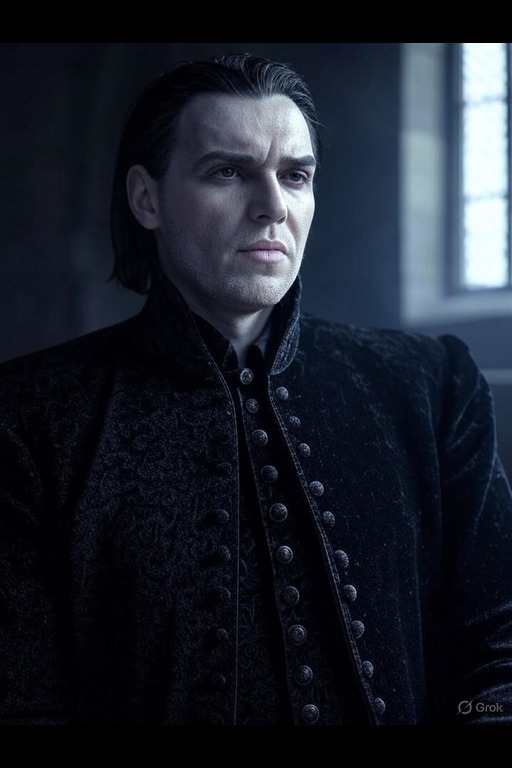
In art and literature, vampires are often depicted in lavish attire, reflecting their noble origins or the eras they once lived in. Cloaks of rich fabric, ornate jewelry, and striking colors are common, enhancing their allure and mystique. The settings they inhabit, whether crumbling castles or opulent ballrooms, further establish the atmosphere of intrigue and danger that surrounds them. Light and shadow play a crucial role in their portrayal, emphasizing their connection to the night and the duality of their existence. As eternal beings, vampires embody the struggle between light and dark, showcasing the complexities of desire, power, and redemption.
Examples
Count Varian Nightshade, a charismatic vampire lord, rules from his ancestral castle, cloaked in shadows and adorned in dark velvet. He exudes an aura of both danger and magnetism, drawing the attention of all who enter his domain.
Lady Seraphine, a cunning vampire sorceress, weaves her magic in the moonlight, her flowing gown shimmering like stars. Known for her ruthless ambition, she seeks to expand her influence over both mortal and vampiric realms.
Alaric, the rogue vampire, roams the streets of the city at night, clad in leather and carrying a dagger. His rebellious spirit and quick wit make him a captivating figure, often caught between the allure of blood and the thrill of freedom.
Elysia, a vampire bard, enchants audiences with her haunting melodies, her voice echoing through the halls of taverns. She uses her charm to navigate the dangers of her existence, seeking solace in the art she creates.
Lord Draven, a brooding vampire warrior, stands vigil over his territory, clad in dark armor that glimmers under the moonlight. His stoic demeanor hides a turbulent past, as he grapples with the morals of his predatory nature.