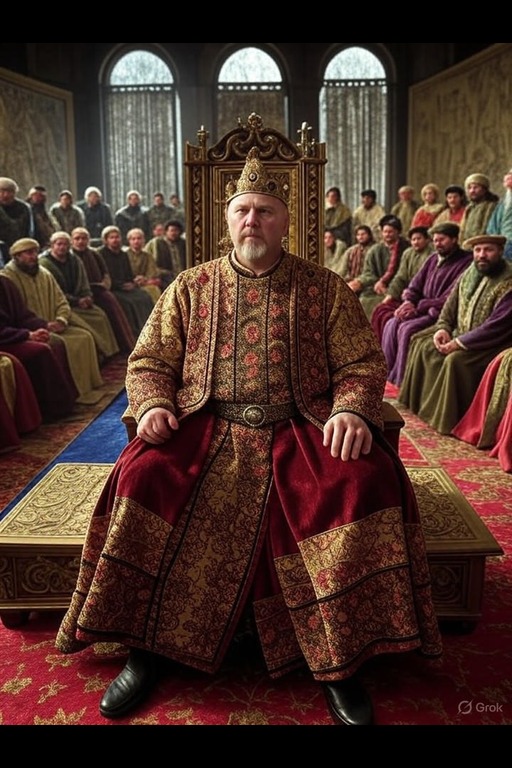
An ulus monarchy is characterized by a singular ruler governing a diverse territory, with power typically derived from tradition and lineage, influencing local customs and governance structures.
Universal
Biomes
Politics
Alignments
Races
Resources
Classes
Elevations
Religions
World
No accessible MAPs found.
Biome
Politics
Alignment
Race
Resource
Class
HeightMap
Ulus
Detailed Description
In an ulus monarchy, power is concentrated in the hands of a single sovereign who claims legitimacy through ancestral heritage and traditional authority. Succession often follows hereditary lines, with rules varying on whether the heir must be the eldest child or can be chosen from among siblings based on merit or preference. This can lead to intense familial rivalry or political machinations as potential heirs vie for favor, creating a dynamic yet precarious political landscape. The monarch is expected to embody the cultural and spiritual essence of the land, establishing a deep connection between the ruler and the populace, which can foster loyalty or resentment depending on the ruler's governance style and effectiveness. Governance in an ulus is often supplemented by a council of advisors, typically composed of noble families or influential figures within the kingdom. This council assists in decision-making, offering counsel on matters of state, law, and military action. However, their power can fluctuate based on the monarch’s disposition and the political climate. Local governance may also see the establishment of regional lords or chieftains who exercise authority over their areas while remaining loyal to the central monarch. These local leaders often have the power to enforce laws, administer taxes, and oversee military defenses, creating a patchwork of governance that can lead to both cooperation and conflict. Everyday life under an ulus monarchy is shaped by the ruler's policies and the effectiveness of local governance. Subjects may experience a blend of stability and turmoil, as the balance between the central authority and local powers is constantly negotiated. Taxation is typically levied to support the monarch's court, military endeavors, and state projects, but the fairness of taxation can vary widely, leading to discontent if burdens fall disproportionately on certain groups. Law enforcement is often handled by local lords, who may interpret and apply the laws based on their judgment and the needs of their community, which can sometimes lead to disparities in justice. The military may serve both as a protectorate force and a tool of the monarchy, rallying loyalty among the populace while also instilling fear in potential dissenters. In this system, the subjects' experience can dramatically shift depending on the monarch's ability to unite the diverse cultural and social groups within their realm, shaping a complex tapestry of allegiance, power struggles, and community interactions. The presence of various religious or cultural institutions can also influence governance, often allied with the crown or, at times, acting independently to advocate for their followers' interests, complicating the political landscape further.
Examples
A young monarch seeks to prove their worth by undertaking a perilous journey across the realm to meet with distant tribes. A council of barons, previously loyal, begins to plot against a ruler seen as weak and indecisive. In a border region, a lord raises a militia in defiance of a new tax decree imposed by the crown. A religious leader openly challenges the monarch’s authority, claiming divine mandate to rule the people. A merchant guild finds itself at odds with local nobility over trading rights, sparking tensions that threaten regional stability.