Detailed Description
The tribes of the realm exhibit a rich tapestry of culture, customs, and societal structures, differing greatly from one another yet all influenced by the overarching needs to survive and thrive. Many tribes are tied to specific regions, their identities woven together with the land's resources and spiritual significance. For instance, a tribe nestled in the dense forests may have a deep reverence for nature, practicing sustainable hunting and gathering, while a desert-dwelling tribe raises camels and engages in long-distance trade, valuing mobility and adaptability.
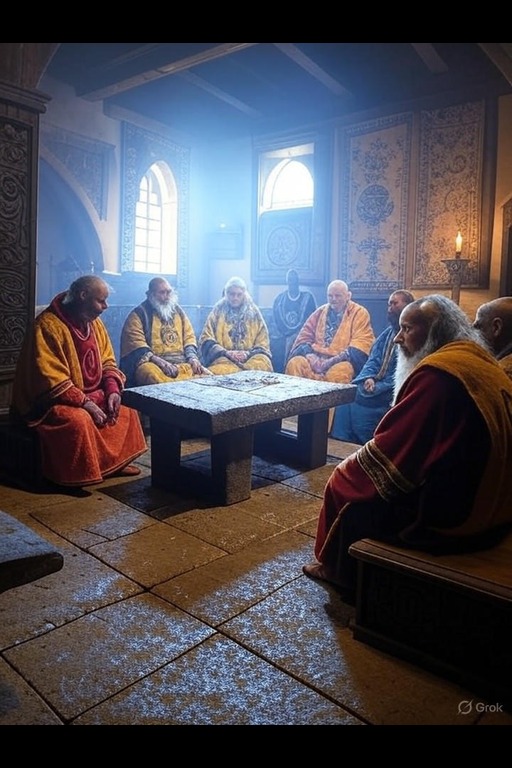
Leadership within tribes can often be a complex affair, influenced by age-old traditions. Some tribes elect their leaders through a council of elders, who weigh the wisdom, experience, and charisma of potential candidates. Others follow a more autocratic model, where power is inherited through bloodlines, and the chieftain's word is law. In either case, the leader must navigate the intricate web of tribal politics, often requiring a delicate balance between authority and the respect of their people.
Rivalries between tribes can spark intense conflict, fueled by competition for resources such as hunting grounds, water sources, or trade routes. The history of these conflicts is often steeped in legend, creating a narrative that stirs both pride and animosity among the tribes. Diplomatic relations, however, can lead to unexpected alliances, as tribes may unite against common threats, such as encroaching civilization or monstrous incursions.
Celebration is another key aspect of tribal life, with festivals marking seasonal changes or significant events, reinforcing communal bonds. These gatherings include rituals and storytelling, where the past is honored, and the future is envisioned through shared hopes and dreams. In this way, the tribes not only survive but also thrive, adapting to the ever-changing landscape around them while fostering a sense of identity through their unique traditions.
Ultimately, the interplay of various tribes contributes significantly to the larger political landscape, making their collective actions impactful in shaping the realm's future. In times of peace, tribes engage in trade and cultural exchange, while in times of strife, they must navigate the delicate balance of power, forging alliances or preparing for conflict, all while remaining true to their roots.
Examples
The Stormhammer Tribe, known for its fierce warriors and skilled blacksmiths, celebrates the annual Forgefire Festival. During this event, tribal leaders showcase their finest weapons and armor, while warriors compete in contests of strength and skill, solidifying their reputation as formidable fighters.
The Whispering Grove Tribe, deeply connected to the forest, conducts a sacred ritual every spring to honor their ancestral spirits. This ceremony involves elaborate dances and offerings made to the ancient trees, renewing their bond with nature and ensuring a bountiful season.
A notorious conflict arises between the Redclaw Tribe and the Frostpeak Tribe over a coveted hunting ground. This rivalry, steeped in generations of grievances, leads to skirmishes that threaten to ignite a full-scale war, pushing both tribes to seek alliances with neighboring groups for support.
The Sandstrider Tribe, adept at navigating the harsh desert, holds a grand caravan festival to mark the end of the dry season. Merchants from various tribes gather, creating a vibrant atmosphere filled with trade, music, and storytelling, as they share their goods and tales of adventure.
The Ironfist Confederation is formed when several tribes band together to repel a common enemy. This coalition, born of necessity, emphasizes the importance of cooperation in the face of external threats, reshaping the political landscape as alliances are forged in the fires of conflict.