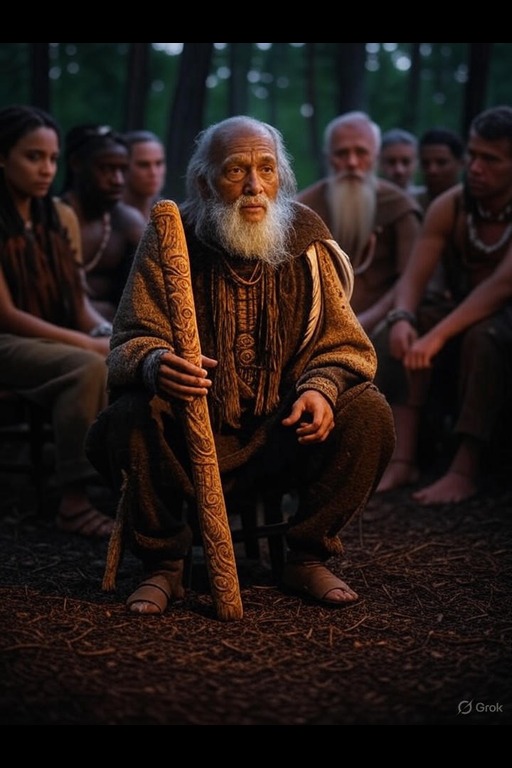
This tribal governance structure embodies a decentralized system where local leaders wield varying degrees of power, influencing law, taxation, and military responsibility within their communities.
Universal
Biomes
Politics
Alignments
Races
Resources
Classes
Elevations
Religions
World
No accessible MAPs found.
Biome
Politics
Alignment
Race
Resource
Class
HeightMap
Tribe
Detailed Description
In this tribal political structure, leadership often resides in the hands of a council of elders or a chieftain, whose authority may be derived from lineage, charisma, or demonstrated prowess in conflicts or negotiations. Power is typically decentralized, with individual tribes maintaining their autonomy while participating in broader alliances or confederacies. In such arrangements, decisions are made through consensus, and the leaders often rely on the counsel of advisors or influential community members, fostering a sense of inclusivity and shared responsibility among the tribe’s populace. This system can lead to vibrant discussions, as the voices of the youth alongside the elders contribute to the decision-making process, impacting both immediate and long-term tribal policies. The succession of leadership varies considerably based on tribal customs. In some tribes, the chieftainship is inherited through bloodlines, ensuring continuity of tradition and kinship ties. In others, leaders may be chosen based on merit or democratic processes, reflecting the tribe's values and current needs. This variability can lead to internal debates over the legitimacy of new leaders, especially if a leader ascends through means that deviate from tradition. The autonomy of the tribe can fluctuate depending on external pressures; alliances with larger political entities may grant resources but could also impose external governance structures that limit the tribe's independence. Law and taxation in this structure are often inseparable from cultural norms and traditions, with local customs serving as primary legal frameworks. Justice is typically administered through communal gatherings, where disputes are resolved through dialogue, negotiation, or ritualistic practices. This approach fosters a focus on restorative justice rather than punitive measures. While some tribes may establish systems for taxation to support shared endeavors, others might rely on communal contributions, reflecting the tribe's collective spirit. The local economy often thrives on barter, with trade facilitated by trusted intermediaries, allowing the tribe to maintain strong inter-tribal connections. Daily life under this political structure is significantly shaped by the tribe's customs and the effectiveness of its leadership. Those living within the confines of a strong chieftaincy experience a robust sense of identity and community, while tribes with weaker leadership may face challenges in maintaining cohesion. Social gatherings, rituals, and festivals play pivotal roles in reinforcing bonds and shared values, creating a vibrant cultural landscape that reflects the tribe's unique character. Members of the tribe often feel a deep connection to the land they inhabit, viewing themselves as stewards of their ancestors’ legacy, leading to practices that promote environmental stewardship and sustainability.
Examples
A council of elders in a mountainous region negotiates trade agreements with neighboring tribes. A young leader unexpectedly rises to power in a coastal tribe through acts of valor during a raid. A confederation of tribes gathers in a sacred grove to address inter-tribal disputes. An aging chieftain struggles to maintain unity as dissent grows among the youth seeking change. A matriarchal tribe celebrates the ascension of a new leader from within its ranks, invoking ancestral blessings. A tribal alliance faces pressure from an expanding empire, forcing them to reevaluate their autonomy.