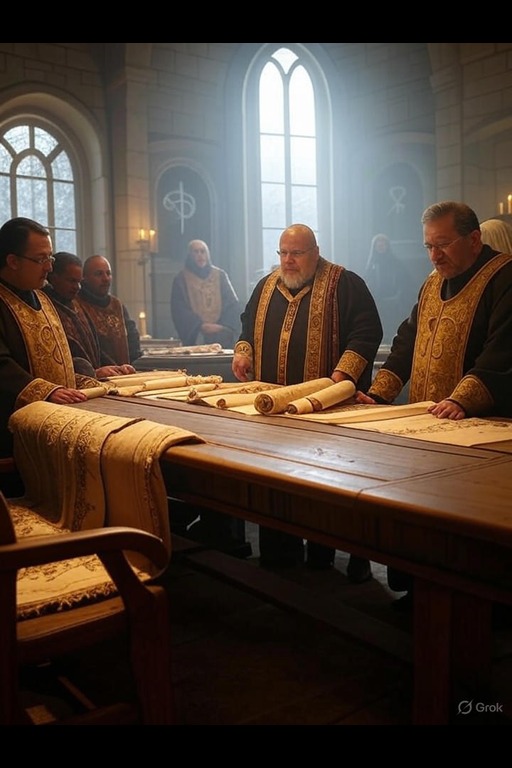
A principality is a form of monarchy where a single sovereign, often a prince or princess, governs a defined territory, balancing tradition and authority with local customs and councils.
Universal
Biomes
Politics
Alignments
Races
Resources
Classes
Elevations
Religions
World
No accessible MAPs found.
Biome
Politics
Alignment
Race
Resource
Class
HeightMap
Principality
Detailed Description
In a principality, governance is concentrated in the hands of a singular ruler, typically a prince or princess, who possesses the ultimate authority over their domain. This ruler often claims sovereignty through hereditary lineage, with succession typically following the norms established by tradition or law within the realm. The governing power may be reinforced through symbolic rituals, such as coronations, which strengthen the ruler's legitimacy in the eyes of their subjects. However, in many principalities, the ruler's power is tempered by local customs and traditions, which can influence how decisions are made and how authority is exercised. This results in a unique blend of centralized authority and localized governance that can vary widely between different principalities. Central to the functioning of a principality are various councils and offices that assist the ruler in administration. These could include a council of nobles, where influential households advise on matters of state, and local administrators who oversee day-to-day governance. The presence of such advisory bodies allows for some degree of representation among the populace, though the ultimate decision-making power remains with the prince or princess. Law and taxation are often shaped by both edicts from the ruler and long-standing customary practices, creating a legal framework that reflects both tradition and the personal inclinations of the sovereign. This duality can lead to tensions, particularly if the ruler's policies seem disconnected from the needs of the people. The social impact of princely rule can be profound. Citizens may experience a sense of loyalty or allegiance to their sovereign, especially if the ruler is perceived as benevolent and just. However, discontent can arise if the ruler imposes harsh taxes, military obligations, or disregards local customs. In regions where the principle of noble lineage is held in high regard, the ruler's ability to maintain respect and authority is crucial. Furthermore, the military often plays a significant role in upholding the prince's power, with local forces typically conscripted from the populace to defend the realm. In some principalities, religious institutions may also hold considerable sway, often intertwining their influence with that of the sovereign, leading to a complex relationship that can either stabilize or destabilize the social order. As daily life unfolds in a principality, subjects may find themselves either benefiting from the patronage of their ruler or suffering under arbitrary dictates, depending on the ruler's character and policies. Festivals and public events may serve to reinforce the connection between ruler and subjects, while administrative visits can provide opportunities for the populace to voice concerns, albeit often with caution.
Examples
A principality struggling with succession disputes leads to a power vacuum, igniting tensions between noble factions. A festival honoring the iconic ruler becomes a source of national pride, uniting diverse communities within the realm. A merchant guild seeks favor from the prince to secure trade protections, resulting in a delicate alliance. Local peasants band together to resist a tax increase imposed by the sovereign in a time of famine. A spymaster thrives in the shadowy politics of court, manipulating rival factions for the prince's favor. A distant province calls for autonomy, challenging the authority of the central ruler.