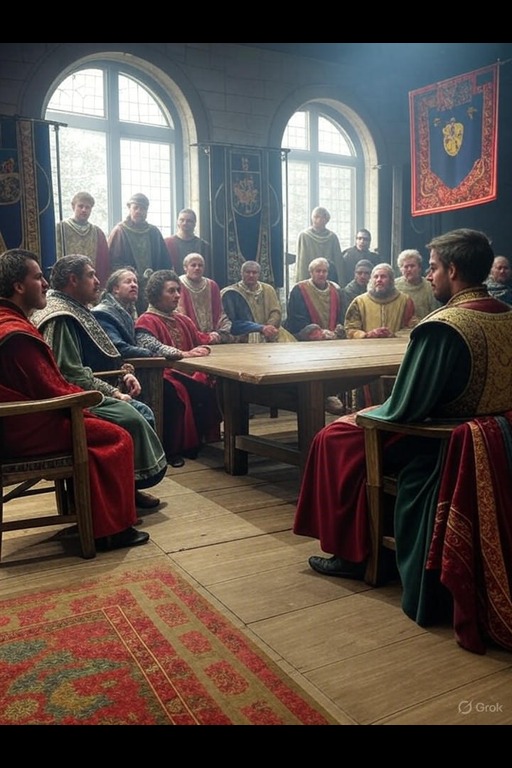
In an oligarchic republic, a small group of elites governs, shaping laws and policies that reflect their interests while often sidelining broader citizen involvement in decision-making.
Universal
Biomes
Politics
Alignments
Races
Resources
Classes
Elevations
Religions
World
No accessible MAPs found.
Biome
Politics
Alignment
Race
Resource
Class
HeightMap
Oligarchy
Detailed Description
In an oligarchic republic, governance is concentrated in the hands of a limited number of individuals or families, often referred to as the ruling elite. These individuals may gain their positions through a combination of wealth, influence, and historical legacy within the community. The political structure is designed to maintain power within this select group, leading to a governance model that prioritizes their interests over the general populace. As a result, the everyday experiences of citizens can vary significantly, often characterized by a disconnect from the governing bodies that shape their lives. Succession within this political system is typically determined by established norms rather than democratic processes. The ruling elite may designate successors from among their ranks, often chosen based on merit, lineage, or political alliances. This practice can lead to intrigue and conflict within the ruling circle, as factions vie for power and influence. In some cases, informal councils or assemblies may serve as advisory bodies, but they primarily reinforce the will of the elite rather than acting independently. Law in an oligarchic republic is often created to benefit the interests of the ruling class. While formal legal codes exist, enforcement may be selectively applied, ensuring that the elite maintain their privileges and control. Taxation policies may disproportionately favor the wealthiest citizens, creating a perception of inequality among the general populace. This can lead to resentment and dissent, particularly among those who feel marginalized by the ruling powers. Military and religious institutions may be co-opted to further solidify the oligarchs' authority, with military leaders often being drawn from the same elite families or receiving their support in exchange for protection and resources. Daily life in such a republic may involve navigating a complex web of loyalties, patronage, and social hierarchies. Citizens may participate in local governance through limited avenues, such as town meetings or guilds, but these opportunities often feel tokenistic when compared to the overarching control exerted by the elites. The populace may become adept at reading the political landscape, aligning themselves with influential figures, and engaging in acts of subtle resistance or compliance as they seek to secure their livelihoods within the bounds of this oligarchic structure.
Examples
A merchant guild seeks to gain favor with the ruling elite by offering lavish gifts and services. A faction within the ruling circle plots to undermine a rival in the hopes of gaining unilateral control. Citizens rally to petition for reforms, only to be met with indifference from their leaders. Local artisans band together to form a secret society aimed at influencing the council's decisions from the shadows. A charismatic leader emerges among the populace, challenging the status quo and inspiring others to resist the elite's authority.