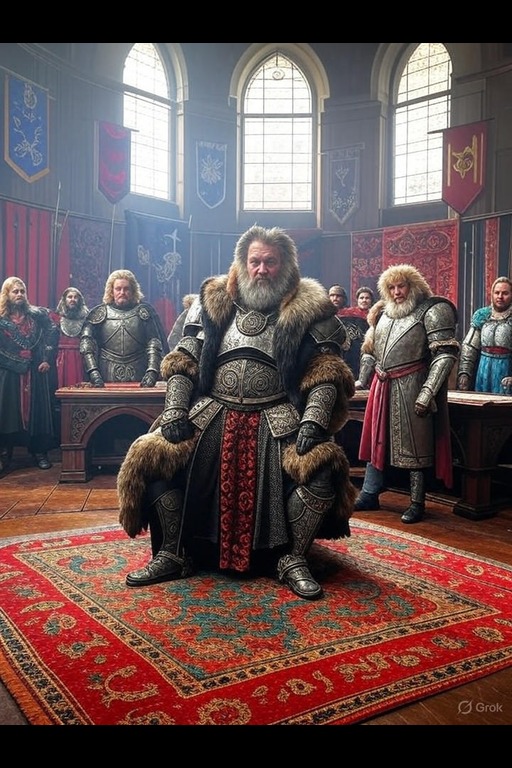
In a horde monarchy, power is held by a chieftain or king who leads through strength and charisma, with often tumultuous succession practices that shape the realm’s culture and governance.
Universal
Biomes
Politics
Alignments
Races
Resources
Classes
Elevations
Religions
World
No accessible MAPs found.
Biome
Politics
Alignment
Race
Resource
Class
HeightMap
Horde
Detailed Description
A horde monarchy is characterized by its emphasis on martial prowess and the ability to unify various clans or factions under a singular banner. The ruling figure, often called a chieftain or king, emerges not just from lineage but through demonstrated strength, tactical skills, and the personal loyalty they inspire in their warriors. Succession can be a chaotic process, as it usually hinges on the might of potential heirs or challengers, leading to internal strife and potential fragmentation if a strong successor is not clearly established. This often results in a culture that celebrates feats of strength and valor, shaping the social narratives around what it means to lead and govern. Typical institutions in a horde monarchy include councils composed of clan leaders who advise the ruler, although the actual power dynamics can fluctuate based on the current ruler's popularity and military success. Such councils may have a significant role during times of peace, yet their influence can wane during wartime, when the chieftain typically assumes direct control to mobilize forces and make swift tactical decisions. Laws are often based on oral traditions and precedent, favoring flexibility over codification, which allows for agile responses to the changing needs of the populace. Taxation is usually implemented in the form of tributes, where clans contribute resources or fighters to support the horde's ventures, further intertwining social obligations with governance. The military plays a central role in both governance and society at large; warriors are highly respected, their status often determining their clans' influence in the horde. Rituals and festivals centered around warfare and conquest bolster community ties and reinforce loyalty to the ruling figure. However, this dependence on martial power can lead to volatility, as rivalries between clans can ignite conflicts and threaten the cohesion of the horde. The subjects of a horde monarchy often experience life marked by instability, where alliances shift, and the threat of conflict looms large, yet they also benefit from the camaraderie and shared purpose fostered by their communal identity as part of a greater horde. While such a political structure can cultivate fierce loyalty among its members, it can also alienate those who do not conform to its warrior-centric ideals, leading to marginalized groups within the society. Daily life fluctuates between celebration and fear, with the populace acutely aware of the ever-changing landscape of power and the constant need for vigilance in their loyalties, creating a complex tapestry of relationships and social dynamics within the horde's territories.
Examples
A young warrior seeks to prove themselves worthy to challenge the aging chieftain. A hidden clan conspires to break away from the horde, threatening an all-out civil war. A traveling bard spins tales of valor, swaying public opinion in favor of one claimant over another. An unexpected alliance forms between two rival clans during a border skirmish, forcing the ruler to adapt their strategy. A merchant from a conquered territory navigates the treacherous politics of the horde to secure favorable trade terms. A shaman interprets omens that could determine the next rightful leader of the horde.