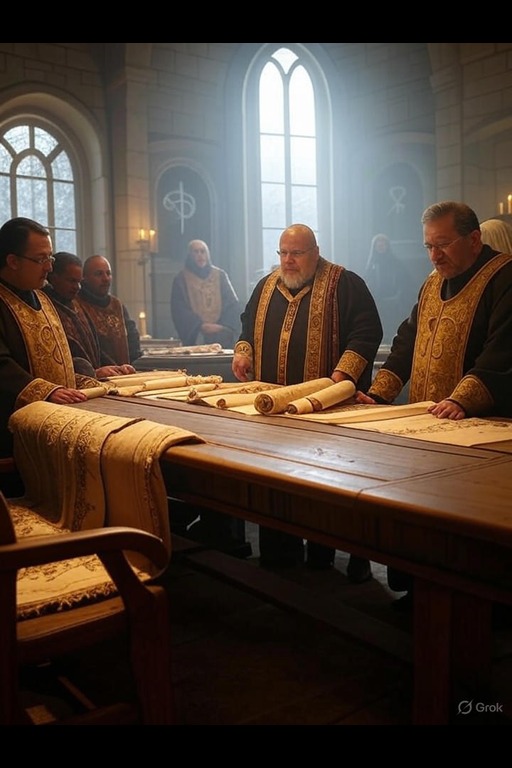
A Divine Principality operates under the guidance of religious leaders believed to be chosen by the divine, intertwining governance with spiritual authority.
Universal
Biomes
Politics
Alignments
Races
Resources
Classes
Elevations
Religions
World
No accessible MAPs found.
Biome
Politics
Alignment
Race
Resource
Class
HeightMap
Divine Principality
Detailed Description
In a Divine Principality, authority is derived from a perceived connection to a higher power, granting religious leaders the role of both spiritual and temporal rulers. The leader, often referred to as the Divine Sovereign or High Priest, is typically believed to be divinely appointed, and their legitimacy is derived from their ability to interpret the will of the divine. Succession generally follows a hereditary line or is determined through a council of high-ranking clergy who may decide based on signs interpreted from sacred texts or omens, intertwining familial lineage with divine favor, shaping both the leaders and the populace's expectations about governance. The ruling council, often composed of senior clerics, acts as both advisors and administrators, playing a significant role in day-to-day governance and policy-making. Their decisions are informed by spiritual doctrines that influence laws, including those governing morality, commerce, and social conduct. Taxation is often aligned with the religious calendar, with periods of harvest and worship dictating the flow of resources to fund temples, support the priesthood, and maintain religiously mandated public services. Laws are typically derived from sacred texts, and their enforcement can be strict, reflecting the overarching belief that divine favor hinges upon societal adherence to these edicts. Daily life under a Divine Principality is marked by a blend of ritual and regulation. Citizens often engage in regular festivals and communal worship that reinforce social cohesion and the power of the ruling class. However, this intertwining of governance and spirituality can lead to significant social pressures, as dissent against the state can be viewed as dissent against the divine will. Conflicts may arise, particularly in matters of interpretation of divine law, leading to tensions between secular and religious authorities, as well as among various sects within the religious landscape. Ultimately, while the Divine Principality can provide a strong sense of community and purpose, it can also stifle personal freedoms and create divisions among those who follow different paths of belief or who question the established order.
Examples
A town experiences unrest after the High Priest decrees a new tax to fund a massive temple construction. A noble family attempts to usurp power by claiming divine visions of their right to lead. Merchants engage in secretive trade to avoid religious levies imposed on certain goods. A faction of clergy seeks to reinterpret the sacred texts to challenge the current ruler's authority. Ordinary citizens debate the implications of a recent edict that bans certain celebrations deemed unpleasing to the divine. Tensions escalate as rival sects vie for influence over the council's decisions.