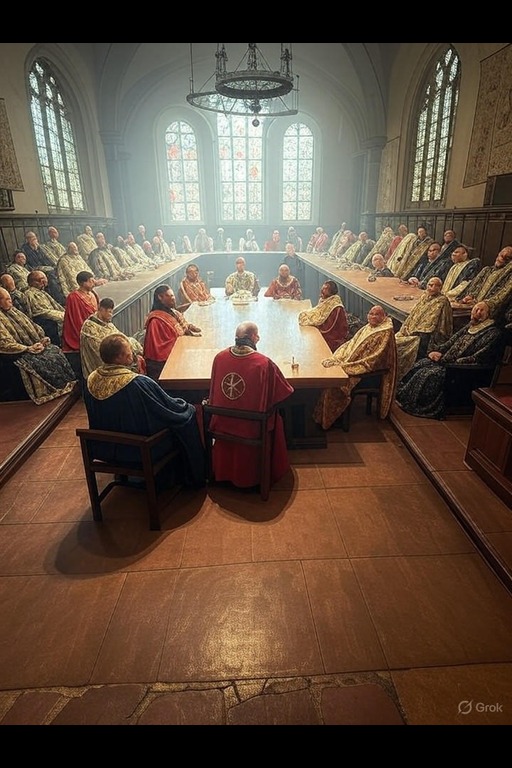
In a Divine Empire, theocratic governance intertwines with religious authority, creating a unique political landscape where the sacred and the state are inseparable.
Universal
Biomes
Politics
Alignments
Races
Resources
Classes
Elevations
Religions
World
No accessible MAPs found.
Biome
Politics
Alignment
Race
Resource
Class
HeightMap
Divine Empire
Detailed Description
In a Divine Empire, the ruling authority is often held by a singular figure or a council that claims divine right, with leadership typically derived from religious lineage or divine appointment. The head of state, often known as a High Priest or Divine Monarch, is believed to be the earthly representative of a deity, guiding the populace in both spiritual and secular matters. Succession is usually predetermined, following a lineage that connects the ruling figure to the divine, or it may involve a selection process among high-ranking religious officials, ensuring that the new leader possesses the necessary spiritual credentials. In practice, this leads to an intricate web of power dynamics, as factions within the religious hierarchy vie for influence over worldly affairs, complicating governance. Inhabitants live under an elaborate legal framework that is often rooted in sacred texts and doctrines, with laws reflecting the moral imperatives of the dominant faith. Religious courts hold significant authority, adjudicating disputes based on religious law, which can result in a sense of divine justice, but also lead to tensions when interpretations of faith differ among the populace. Taxation is often viewed as both a civic duty and a spiritual obligation, with revenues funneled into maintaining temples, supporting clergy, and funding religious festivals. Daily life is punctuated by rituals and ceremonies that reinforce the state's religious foundation, with citizens expected to participate in communal worship and adhere to the moral guidelines set forth by their leaders. While many find comfort and purpose within this structure, dissent may arise, particularly among those who question the divine legitimacy of their rulers or feel marginalized by the religious establishment. In a Divine Empire, the intertwining of governance and spirituality creates a society rich in tradition, yet fraught with potential conflict over authority and interpretation of the divine will. The balance of power can shift dramatically during periods of zealotry or reform, altering how citizens experience their faith in relation to their governance. Challenges often emerge as various sects within the faith seek to assert their interpretations, leading to both cultural richness and social strife. An enduring theme in such empires is the struggle between devotion and autonomy, as the populace navigates their roles in a society where the sacred and the secular are irrevocably linked. Character motivations can explore the balance of faith and obligation, or the ramifications of opposing the established order, providing fertile ground for storytelling and character development.
Examples
A fervent priestess seeks to challenge the High Priest’s interpretation of sacred texts, igniting a theological debate. A noble family conspires to secure an influential seat on the ruling council through clandestine means. A local artisan discovers a relic believed to possess divine power, attracting the attention of both the clergy and rival factions. Citizens gather in the main square to celebrate a pivotal religious festival, unaware of a brewing dissent among the townsfolk. A sect advocating for reform clashes with traditionalists during a public debate, forcing the empire to confront its own beliefs.