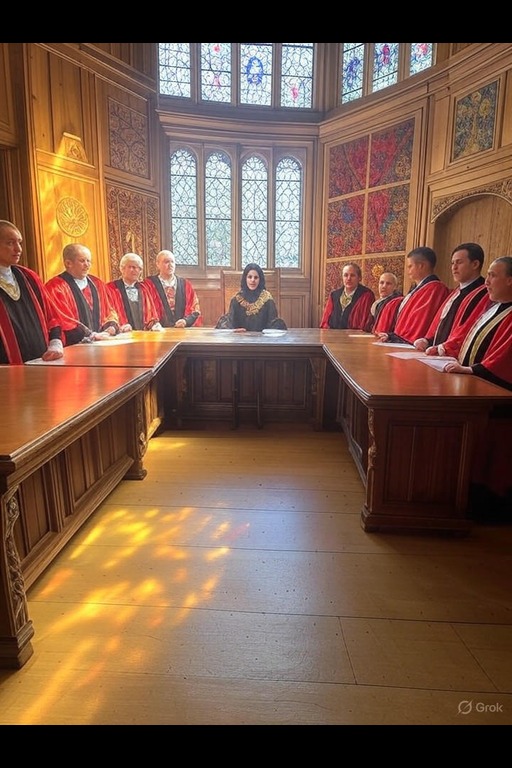
A Divine Duchy is a theocratic governance system where authority is derived from a divine source, typically with a ruling duchess or duke who claims to be chosen by the deity they serve.
Universal
Biomes
Politics
Alignments
Races
Resources
Classes
Elevations
Religions
World
No accessible MAPs found.
Biome
Politics
Alignment
Race
Resource
Class
HeightMap
Divine Duchy
Detailed Description
In a Divine Duchy, the ruling authority is often vested in a duchess or duke, who is believed to have been appointed by a divine entity. This leader wields significant religious power, often acting as both the spiritual and governmental head of the territory. The legitimacy of their rule is reinforced by religious doctrine that intertwines governance with the will of the deity, creating a system where secular and spiritual matters are deeply interlinked. Succession may occur through blood lineage, divine selection, or popular acclamation among the faithful, but it is generally overseen by a council of clerics or religious leaders who interpret divine signs to confirm the next ruler's legitimacy. This council plays a critical role in ensuring that the governance aligns with the tenets of their faith, often mediating disputes and overseeing local governance structures. The laws of a Divine Duchy are typically influenced by sacred texts and religious teachings, which are interpreted by the ruling elite. Consequently, legal systems may vary significantly in their application, reflecting the local community’s beliefs and practices. Taxation often takes the form of tithes or offerings to the temple, which can place a burden on the populace, particularly in times of hardship. In return, the church may provide social services such as education, healthcare, or community support, reinforcing the bond between governance and faith. However, this can lead to disparity, as those who are more devout or wealthy may receive preferential treatment. Military forces within a Divine Duchy are typically composed of both secular soldiers and religious zealots who see themselves as guardians of the faith. Their dual role can create tension, especially during conflicts where the motivations of the soldiers may be questioned—are they fighting for land, or for the honor of their deity? Daily life for the populace is steeped in ritual, with many aspects of governance reflecting religious observance. Festivals, communal prayers, and religious education are commonplace, fostering a sense of unity among the adherents. However, dissenters or those of differing beliefs may face social ostracism or legal repercussions, thus leading to a complex social dynamic that balances devotion with the realities of governance. Despite the potential for social cohesion, the intertwining of religion and politics can lead to power struggles, both within the ruling class and among the populace, as differing interpretations of doctrine may lead to conflict. The challenge remains for leaders to maintain their divine mandate while addressing the needs of a diverse community, ensuring that the tenets of faith do not stifle the very harmony they aim to protect.
Examples
A local priestess claims she has received a vision about the duchess's successor. A religious conflict erupts when a neighboring province challenges the duchess's divine right. A young scribe discovers a hidden text that contradicts state doctrine. The military is dispatched to suppress a growing dissent among the less devout farmers. A festival of renewal sparks both celebration and rivalry among different sects within the duchy. Rumors of the duchess’s waning favor with the deity lead to unrest among the citizens.