Detailed Description
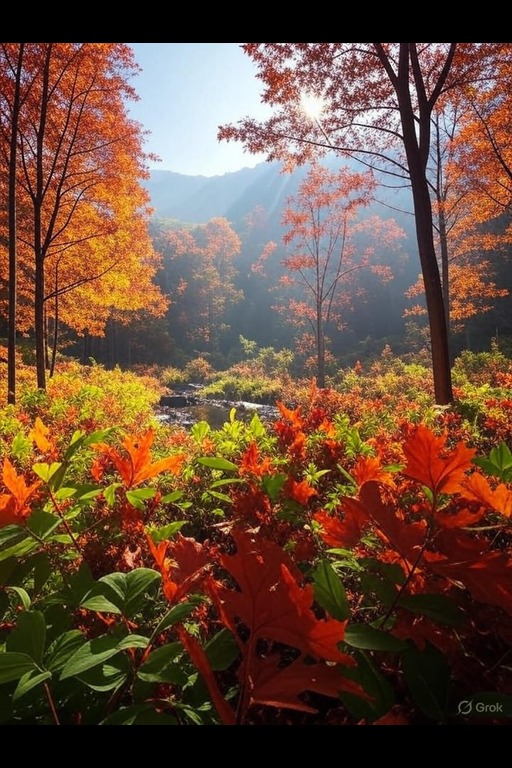
Tropical dry forests are typically located in regions where the climate is marked by a distinct dry season, leading to a unique array of plant and animal life. The trees in these forests are often deciduous, shedding their leaves during the dry months to conserve water. This seasonal change creates a striking visual landscape, where the vibrant greens of the wet season give way to browns and grays as the foliage falls away. The forest floor, littered with fallen leaves, becomes a tapestry of life, with numerous insects, fungi, and small mammals thriving in the rich organic material.
Flora in tropical dry forests includes a variety of tree species such as mahogany, teak, and various acacias, which are well-adapted to withstand the droughts. The understory is filled with resilient shrubs and grasses that can flourish in the harsh conditions. During the wet season, the forest bursts into life, with flowering plants attracting pollinators and the sounds of chirping birds filling the air. As the dry season sets in, many animals enter a state of reduced activity, conserving energy and resources until the rains return.
The fauna of tropical dry forests is equally diverse. Many species, such as monkeys, deer, and various birds, have adapted their behaviors to the seasonal changes. Some animals migrate to more hospitable areas during the driest months, while others, like certain reptiles and amphibians, may enter dormancy. The presence of water sources, such as rivers and streams, plays a crucial role in sustaining life, drawing animals from the surrounding areas.
Human settlements in tropical dry forests are often sparse, as the harsh conditions can make agriculture challenging. However, communities that do inhabit these areas have developed sustainable practices, utilizing the resources of the forest while ensuring its preservation. Trails and paths wind through the trees, leading to small villages and farms that rely on the seasonal rhythms of the forest. The unique beauty of the tropical dry forest, with its vibrant life and stark seasonal contrasts, continues to be a source of fascination for adventurers and scholars alike.
Examples
The Western Ghats of India showcase a rich tropical dry forest environment, with towering teak trees and a diverse array of wildlife, including leopards and various species of monkeys. The region experiences a marked dry season, leading to significant seasonal changes in the landscape.
In the Brazilian Cerrado, the dry forest is interspersed with open savanna, creating a unique habitat for both flora and fauna. Here, species such as the maned wolf roam freely, while the vegetation exhibits adaptations to endure long periods of drought.
The dry forests of Madagascar are home to unique species found nowhere else on earth, including the famous baobab trees. These forests provide essential resources for local communities, who have learned to live in harmony with the ecosystem while preserving its delicate balance.
The dry forests of East Africa, particularly in Kenya, are known for their acacia trees and diverse bird populations. These forests serve as crucial habitats for migratory birds during the wet season, while many mammals, such as elephants, roam the landscape in search of sustenance.
The Yucatán Peninsula in Mexico features tropical dry forests that support a variety of species, including jaguars and numerous bird species. The seasonal changes in this region create a dynamic environment that is both beautiful and challenging for its inhabitants.