Detailed Description
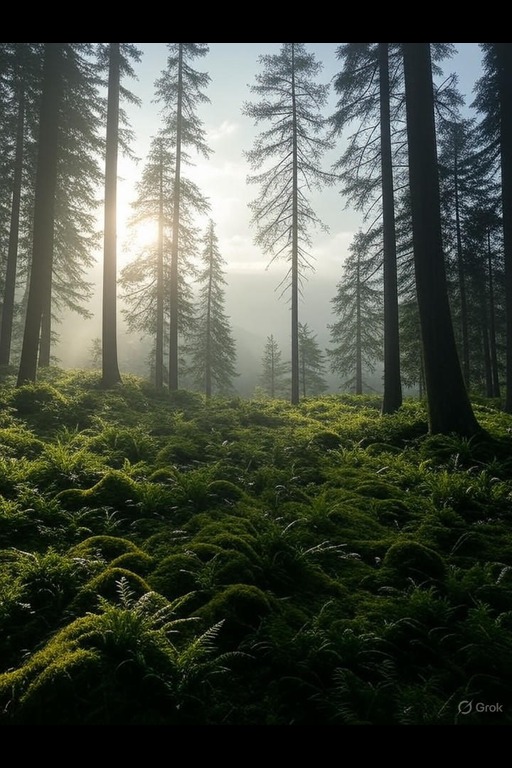
Temperate rain forests are often found along coastal regions where oceanic currents moderate temperatures, resulting in a unique environment that supports a plethora of life. The towering trees, such as firs, spruces, and cedars, can reach heights of over 200 feet, their canopies forming a thick, green roof that filters sunlight. Below, the forest floor is a tapestry of ferns, shrubs, and an array of fungi that thrive in the damp conditions. This rich undergrowth provides shelter and food for various creatures, including deer, bears, and countless bird species.
The climate is characterized by high levels of precipitation, often exceeding 100 inches annually, which is distributed throughout the year, although some areas may experience wet and dry seasons. The rainfall contributes to the lush greenery that defines these forests, creating a humid atmosphere filled with the sounds of trickling streams and rustling leaves. Mist often hangs in the air, giving the landscape a mystical quality that enchants travelers and adventurers alike.
Wildlife in temperate rain forests is incredibly diverse, with species adapted to the unique conditions. Birds such as owls and woodpeckers nest in the trees, while creatures like raccoons and foxes roam the underbrush. The forest is also home to numerous insects that play crucial roles in pollination and decomposition. The rich biodiversity supports a delicate balance, with each species contributing to the health of the ecosystem.
Traveling through a temperate rain forest can be both awe-inspiring and challenging. The thick canopy can obscure the sun, creating a cool, shaded environment ideal for exploration. However, the dense undergrowth and uneven terrain may slow progress. Adventurers should be prepared for sudden weather changes, as rain can fall unexpectedly, often soaking the forest in moments. Settlements in these regions tend to be small and nestled within the trees, with inhabitants relying on the abundant resources the forest provides for food, shelter, and materials.
The cultural significance of temperate rain forests cannot be overlooked, as many local communities have deep-rooted connections to these lands. They often hold sacred beliefs surrounding the spirits of the forest, emphasizing conservation and respect for nature. Such connections highlight the importance of these biomes, not only as ecological treasures but also as vital components of cultural heritage.
Examples
The Emerald Grove is a renowned temperate rain forest, home to ancient trees that have stood for centuries, their trunks covered in vibrant moss. It is a sanctuary for both wildlife and weary travelers seeking solace in nature’s embrace.
The Whispering Pines forest is known for its serene atmosphere, where the soft sounds of rustling leaves and distant waterfalls create a peaceful environment. It attracts herbalists and alchemists who seek rare plants hidden within its depths.
In the Misty Hollow, travelers often find themselves enveloped in a veil of fog, where the air is thick with moisture. This enchanting biome is populated by unique creatures that have adapted to the damp surroundings, making it a place of wonder for explorers.