Detailed Description
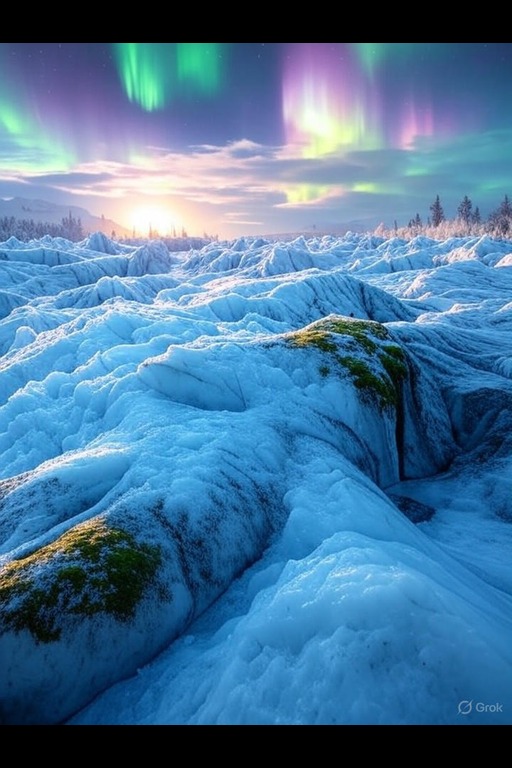
Subpolar deserts are a unique biogeographical region that straddles the line between the Arctic tundra and the icy expanses of polar ice caps. These areas are characterized by their extreme cold and low precipitation, often resembling vast, frozen wastelands. In these deserts, the ground is often covered in a thick layer of permafrost, which restricts the growth of vegetation and leads to a stark, minimalist aesthetic. The landscape is punctuated by dramatic ice formations and rugged terrain, with glaciers and snowdrifts creating a breathtaking yet inhospitable environment.
The flora of subpolar deserts is limited but resilient. Hardy species such as mosses, lichens, and low shrubs like dwarf willows manage to cling to life against the biting winds and freezing temperatures. These plants have adapted to conserve moisture and withstand prolonged periods of dormancy. During the brief summer months, when the sun shines for nearly 24 hours a day, these plants bloom, offering a fleeting burst of color against the white backdrop.
Fauna in these regions has also adapted remarkably to the harsh conditions. Species such as arctic foxes, polar bears, and migratory birds have developed unique survival strategies. The arctic fox, for instance, has a thick coat that changes color with the seasons, providing camouflage against the snow in winter and the tundra in summer. Caribou migrate great distances to find food, while seabirds return to breed in the short summer, taking advantage of the abundant insects and plant life that flourish during this time.
Traveling through subpolar deserts is fraught with challenges. Adventurers must contend with extreme weather, including blizzards and freezing temperatures, which can make navigation treacherous. Those who venture into these regions often rely on specialized gear and knowledge of the land, as well as the ability to read the signs of impending storms. Settlements are few and far between, primarily consisting of temporary camps set up by nomadic tribes or research outposts. These settlements are often constructed from materials that can withstand the elements, such as insulated tents or sturdy cabins built from local timber.
Despite the harshness of the environment, subpolar deserts possess a stark beauty that captivates those who brave the elements. The interplay of light on ice, the vast, open skies, and the serene silence of the landscape create an otherworldly atmosphere that is both haunting and awe-inspiring. The northern lights, with their vibrant colors dancing across the sky, add a mystical quality to the long winter nights, making this biome a place of wonder and solitude.
Examples
The Frosted Expanse is a vast subpolar desert where the ground is perpetually covered in a thick layer of ice. The landscape is dotted with glacial formations that rise like ancient sentinels, their surfaces glistening in the pale sunlight. Only the hardiest of mosses and lichens manage to cling to life here, creating a stark contrast against the shimmering white.
In the Whispering Winds Valley, the biting cold winds carve intricate patterns in the snow, creating a mesmerizing landscape of drifts and ridges. This area is known for its elusive arctic foxes, which can often be seen darting through the snow, their white fur blending seamlessly with their surroundings. The valley offers a breathtaking view of the aurora borealis during the long nights of winter.
The Frozen Tundra, a remote subpolar desert, is home to a few scattered nomadic tribes. These hardy folk have adapted to the extreme conditions, relying on traditional hunting and gathering practices. Their temporary camps are made of animal hides and insulated structures that can withstand the harsh winters, showcasing their resilience and ingenuity.
The Crystal Caverns are a hidden marvel within a subpolar desert, where ice formations create stunning sculptures within the depths of the earth. Light filters through cracks in the ice, illuminating the caverns with an ethereal glow. Wildlife, including migratory birds, can be found nesting in the warmer months, adding life to the otherwise desolate surroundings.
The Glacial Outpost is a research station established by explorers seeking to study the unique ecology of subpolar deserts. This outpost serves as a hub for adventurers and scholars alike, providing shelter and resources for those brave enough to venture into the frozen wilderness. The towering glaciers surrounding the outpost create a dramatic backdrop, emphasizing the isolation of this remote location.