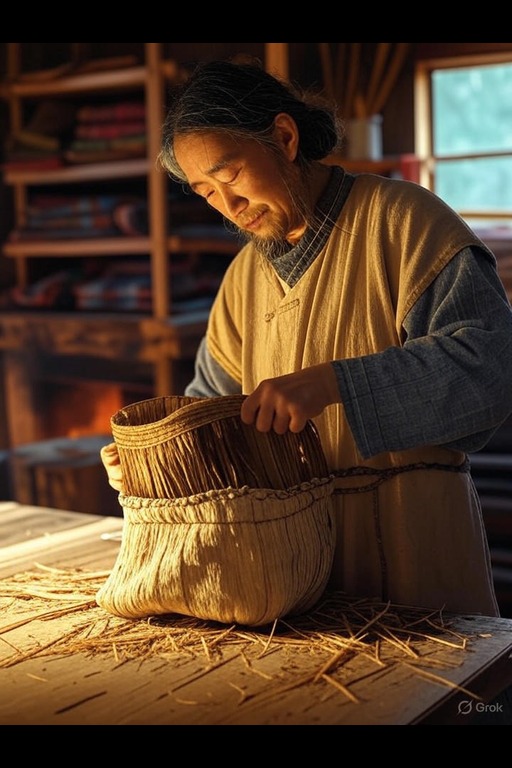
Cedar Bark Weaving Strips are highly valued for their smooth surface and versatility in crafting. These strips are derived from the resilient cedar tree, chosen for both their durability and flexibility. Artisans skillfully shape the bark with precision tools, creating bundles categorized by size for ease of use in various workshops and trade markets. Their applications extend to textiles, decorative items, and carved goods, showcasing the artistry of their makers.
Universal
Biomes
Politics
Alignments
Races
Resources
Classes
Elevations
Religions
World
No accessible MAPs found.
Biome
Politics
Alignment
Race
Resource
Class
HeightMap
Cedar Bark Weaving Strips
Detailed Description
The process of creating Cedar Bark Weaving Strips begins with the careful harvesting of cedar bark, which is performed with respect to the tree's health and growth. Artisans peel the outer layers, ensuring minimal damage to the tree while collecting the fibrous material. Once harvested, the strips are soaked to achieve the desired pliability, allowing makers to manipulate them with ease. The characteristics of cedar bark make it especially suited for intricate weaving and crafting, as it maintains its structure while being workable into various forms. In workshops, artisans employ a range of techniques to transform these strips into functional and decorative pieces. Each strip can be woven into textiles that exhibit a unique texture and durability, ideal for bags, mats, or even intricate garments. Additionally, the bark is often used to create carved goods, where skilled hands mold it into artistic shapes that reflect both utility and beauty. Decorative items, such as wall hangings and ornaments, benefit from the natural elegance of cedar bark, allowing artisans to infuse their cultural expressions into each piece. Trade in Cedar Bark Weaving Strips thrives in regions where artisans showcase their creations to eager markets. The material is often bundled and labeled by size, making it accessible for traders and consumers alike. Craftsmen and women pursue this resource not only for its functional applications but also for its cultural significance, as the act of weaving with cedar connects creators to the ancestral practices of their communities. Whether utilized in local markets or traded across distant lands, Cedar Bark Weaving Strips continue to be a cherished resource in artisan crafts and decorative arts, celebrated for their versatility and natural beauty.
Examples
Examples of products made from Cedar Bark Weaving Strips range from utilitarian textiles to intricate decorative goods. Weaves crafted from the strips often serve practical purposes, such as bags or mats, while showcasing the unique patterns possible through skilled craftsmanship. Carved items offer a glimpse into the artisan's creativity, transforming simple strips into aesthetically pleasing shapes and forms. In trade, these goods find their way into various markets, appealing to those who appreciate the artistry and heritage embedded in each crafted piece.