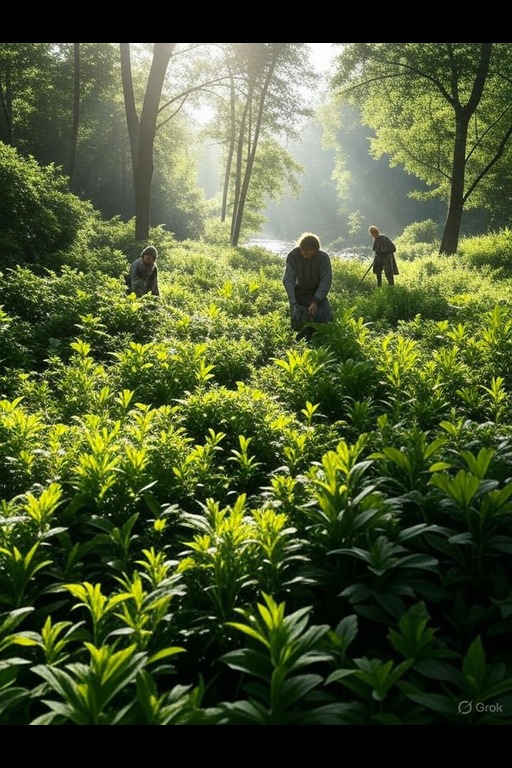
Herbal remedies are vital resources found in regions characterized by mild seasons and rich biodiversity. Sourced from the lush undergrowth of temperate deciduous forests, these natural concoctions are sought after by artisans and merchants alike. They command good prices when available, particularly within bustling market towns and trade hubs. The quality of these remedies often reflects the expertise of their collectors, making them prized commodities in various trades.
Universal
Biomes
Politics
Alignments
Races
Resources
Classes
Elevations
Religions
World
No accessible MAPs found.
Biome
Politics
Alignment
Race
Resource
Class
HeightMap
Herbal Remedies
Detailed Description
Herbal remedies derive their significance from the diverse flora found in temperate deciduous forests, where a balance of sunlight, rainfall, and soil nutrients fosters an array of plant life. Skilled foragers and herbalists meticulously gather these botanicals, often employing traditional knowledge passed down through generations. The remedies they create can address common ailments, enhance well-being, or even serve as ingredients in more complex artisan crafts. With each season, the availability and variety of herbs fluctuate, leading to a dynamic market that thrives on both the expertise of collectors and the demands of consumers. Trade hubs in these regions play a crucial role in the distribution of herbal remedies. They facilitate not only the exchange of goods but also the sharing of knowledge regarding the properties and uses of various plants. Artisans skilled in the art of crafting herbal remedies often collaborate with merchants to ensure that their products reach a wider audience. The trade routes connecting these hubs are well-traveled, with caravans transporting delicate herbs under conditions that safeguard their potency and efficacy. Quality grading has become an essential practice within these markets, where the discerning eye of an experienced trader can spot the finest specimens among the gathered herbs. In addition to their practical applications, herbal remedies also hold cultural significance. They often feature in local customs and seasonal festivals, symbolizing the bounty of the forest and the wisdom of nature. Craftsmen utilize these remedies in various forms—oils, salves, or tinctures—transforming them into items of beauty and utility. Remembering the delicate balance of nature, many communities prize sustainability, ensuring that their gathering practices do not deplete local resources. This respectful approach fosters a tradition of stewardship that thrives alongside commerce, encouraging the continued health of both the land and its inhabitants. As the demand for herbal remedies grows, so too does the need for education about their sustainable use. Workshops and gatherings often take place in market towns, where both novice and experienced herbalists can refine their skills. The lore surrounding these remedies serves not only to educate but also to enhance the communal bond between those who gather, trade, and use these natural gifts. Thus, the trade in herbal remedies is as much about the cultural exchange and preservation of knowledge as it is about commerce.
Examples
Various products derive from herbal remedies, ranging from practical trade goods to beautiful artisan crafts. Common examples include herbal-infused oils, which are cherished for their therapeutic properties, and intricately designed ornaments that incorporate dried herbs for decorative purposes. The versatility of these remedies allows for their incorporation into culinary practices, where they enhance flavor and nutrition. Additionally, local artisans often create salves and tinctures that highlight specific regional plants, further enriching the marketplace. Overall, herbal remedies contribute significantly to the trade and artisan crafts of temperate regions.