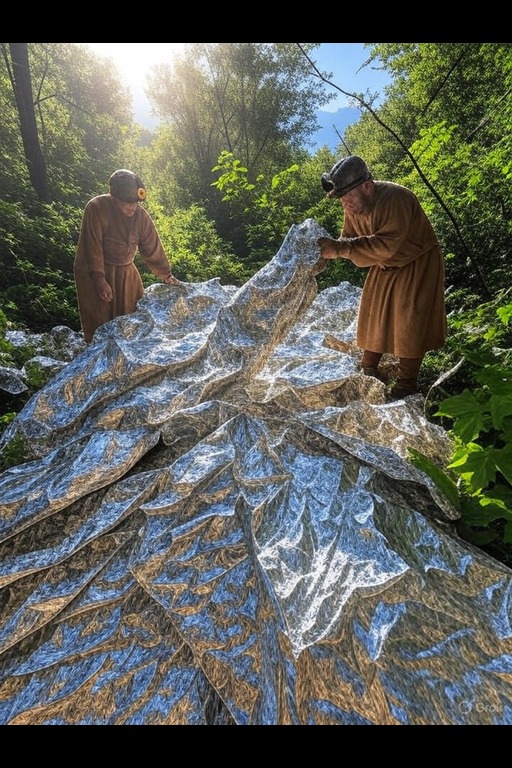
Mica is a mineral renowned for its unique layered structure, allowing it to split into thin sheets. Found predominantly in tropical dry forests, this mineral is highly valued in various industries such as glassmaking and construction. The extraction of mica can be a challenging endeavor due to its geological location and the conditions of the surrounding environment. Miners pursue its deposits, driven by the demand for both practical applications and trade.
Universal
Biomes
Politics
Alignments
Races
Resources
Classes
Elevations
Religions
World
No accessible MAPs found.
Biome
Politics
Alignment
Race
Resource
Class
HeightMap
Mica
Detailed Description
Mica is a natural silicate mineral that displays a distinctive sheet-like structure, which grants it an array of beneficial properties. It is primarily composed of silicate compounds, allowing it to exhibit excellent thermal and electrical insulation. In the tropical dry forests where it is commonly found, mica is shaped over millennia by geological forces, resulting in deposits that are often intricately layered. These formations can be interspersed with other minerals, leading to a rich variety of textures and colors, which enhance its appeal in craftsmanship and artistic endeavors. The extraction of mica is a process fraught with challenges. Miners must navigate rugged terrains and sometimes harsh environmental conditions, making the quest for this mineral both perilous and labor-intensive. The trade in mica has garnered attention not only for its economic significance but also for the ethical implications surrounding its extraction. As demand for mica products continues to grow, the industry faces pressures to ensure responsible sourcing practices that do not exploit labor or the environment. In various industries, mica serves prominent roles. In glassmaking, it is used to create shimmering surfaces and translucent effects, while in construction, it is valued for its strength and durability. Alchemists and artisans often seek mica for its unique reflective properties, utilizing it in powders and lenses that serve both practical and aesthetic purposes. Furthermore, the mineral is instrumental in the creation of high-quality mirrors and magical foci, where its reflective qualities are harnessed to enhance visibility and clarity. The versatility of mica makes it an essential resource across multiple fields, ensuring its continued relevance and desirability in trade and craftsmanship.
Examples
Products derived from mica showcase its remarkable versatility and appeal. Mica glass, crafted for its sparkling qualities, is frequently utilized in decorative items and upscale tableware. Mirrors made with mica are prized for their clarity and luminous reflection, while lenses crafted from this mineral are sought after for their ability to enhance focus in various optical devices. Additionally, powdered mica is a common component in both artworks and alchemical preparations, serving as a pigment or stabilizing agent. The wide array of products highlights mica's significant role in enhancing both functionality and beauty in everyday items.