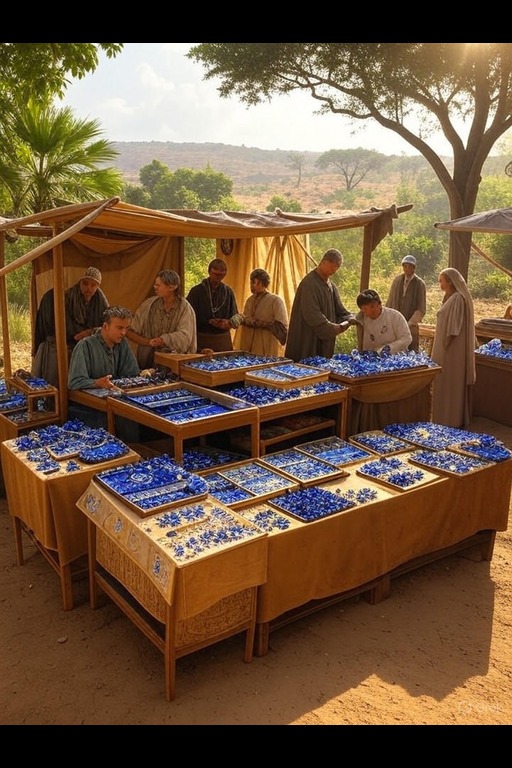
Sapphire is a mineral renowned for its striking blue hue and clarity, often found in various biomes including savannas and tropical forests. Formed over millennia through geological processes, its deposits are sought after by miners for commercial and artistic purposes. The allure of sapphire extends beyond mere aesthetics, as it is frequently incorporated into jewelry and other ornamental items. While extraction can be rewarding, it often presents significant challenges due to the mineral’s geological settings.
Universal
Biomes
Politics
Alignments
Races
Resources
Classes
Elevations
Religions
World
No accessible MAPs found.
Biome
Politics
Alignment
Race
Resource
Class
HeightMap
Sapphire
Detailed Description
Sapphire is a precious gemstone that has captivated artisans, traders, and collectors alike for centuries. Its vibrant blue color, which can vary from deep royal to lighter shades, is the result of trace elements within its crystalline structure, primarily iron and titanium. Beyond the visual appeal, sapphires are valued for their durability, making them suitable for a range of applications. As such, they are commonly crafted into various forms of jewelry, including rings, necklaces, and earrings, where they serve not only as decorative elements but also as symbols of status and wealth. The extraction of sapphire is a labor-intensive process that often involves significant risk. Miners venture into diverse environments, including arid savannas and lush tropical forests, each presenting unique challenges. The locations where sapphires are found are often remote and require careful navigation through rugged terrain. Additionally, the mining process itself can be perilous, as workers contend with potential cave-ins, unstable ground, and the elements. Despite these dangers, the promise of uncovering a stunning gemstone drives many to persist in their efforts. In addition to its use in jewelry, sapphire finds applications in the creation of ritual implements and enchanted objects. While this entry does not delve into the mystical properties of sapphire, its role in various cultural practices reflects its significance beyond mere ornamentation. Alchemists and artisans may incorporate sapphire into their work, believing in its symbolic representation of wisdom and nobility. The mineral also plays a role in trade, as its desirability ensures a steady demand across markets, connecting distant regions through the exchange of this precious mineral. The intricate craftsmanship involved in creating sapphire talismans or enchanted orbs further illustrates the versatility of this mineral in different industries. Ultimately, sapphire remains a testament to the beauty and complexity of the natural world. Its origins are deeply rooted in the earth's geological history, and its journey from raw mineral to polished gemstone is a story of transformation. As long as there are artisans and miners willing to engage with the earth, sapphire will continue to shine, reflecting the enduring allure of one of nature's finest creations.
Examples
Sapphire is crafted into a variety of exquisite products, each showcasing its remarkable beauty and durability. Jewelry pieces like sapphire rings and amulets are particularly popular, often worn to signify important life events or personal milestones. Enchanted items, such as sapphire wands and orbs, serve both aesthetic and practical purposes in various rituals and practices. Talismans made from sapphire are believed to carry symbolic meaning, enhancing their appeal across different cultures. In this way, sapphire remains a cherished resource in both artistic and commercial realms.