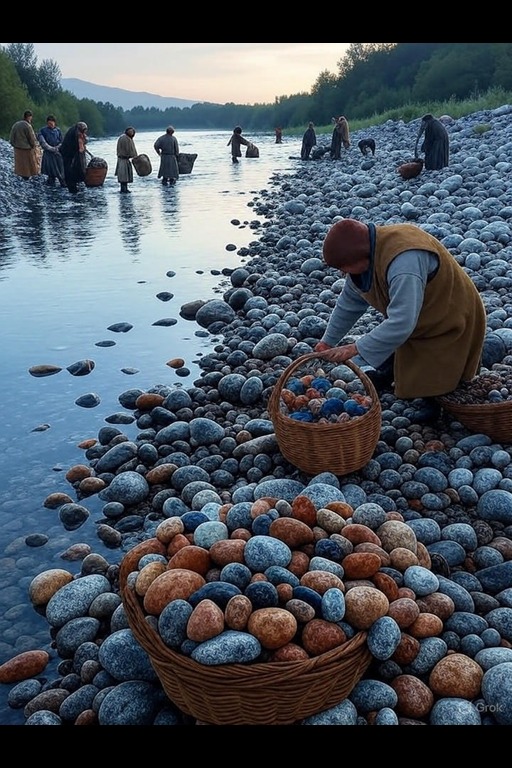
Granite Pebbles are small, naturally occurring stones found in freshwater environments. Their sturdy composition makes them a favored resource in various industries. Local harvesters gather these pebbles with care, ensuring that extraction does not diminish local stocks. The presence of granite pebbles often influences the location of settlements, fostering trade and craftsmanship in nearby communities.
Universal
Biomes
Politics
Alignments
Races
Resources
Classes
Elevations
Religions
World
No accessible MAPs found.
Biome
Politics
Alignment
Race
Resource
Class
HeightMap
Granite Pebbles
Detailed Description
Granite Pebbles, forged by the relentless passage of time and elemental forces, are a common sight along freshwater banks and riverbeds. Their formation is the result of geological processes, where larger granite formations gradually erode into smaller fragments, rounded by water's gentle caress. Harvesting them requires skill and respect for the environment, as practitioners must time their collection to coincide with seasonal changes that affect pebble availability and abundance. This seasonal approach not only ensures that local populations remain sustainable but also fosters a deep-rooted connection between the harvesters and their natural surroundings. Crafted from this resilient stone, products such as cut blocks, statues, and grindstones showcase the versatility of granite pebbles. In masonry, these pebbles serve as essential building materials, providing both strength and aesthetic appeal in construction projects. Sculptors are drawn to their natural beauty, transforming rough pebbles into intricate works of art that tell stories of the land and its people. Additionally, gravel and paving stones made from granite pebbles find extensive use in road construction and landscaping, combining functionality with visual charm. As such, granite pebbles play a crucial role in both practical applications and artistic endeavors, enriching the cultural tapestry of the regions that utilize them. Trade routes often flourish in areas abundant with granite pebbles, as artisans and merchants exchange these valuable resources for goods and services. Settlements arise in close proximity to these deposits, benefiting from the economic opportunities they create. The ease of access to granite pebbles not only supports local craftsmanship but also enhances community resilience, as multiple industries can thrive simultaneously. In this way, granite pebbles become a linchpin of both commerce and craftsmanship, linking communities through shared reliance on the earth's natural bounty.
Examples
Products derived from granite pebbles are as varied as the environments in which they are found. Cut blocks are employed in sturdy edifices, while finely crafted statues stand as testaments to artistic skill. Grindstones made from these pebbles serve practical purposes in workshops, sharpening tools for craftsmen of all trades. Gravel and paving stones, both durable and appealing, grace pathways and roads, enhancing the functionality of the built environment. Each of these examples highlights the invaluable role granite pebbles play in everyday life.