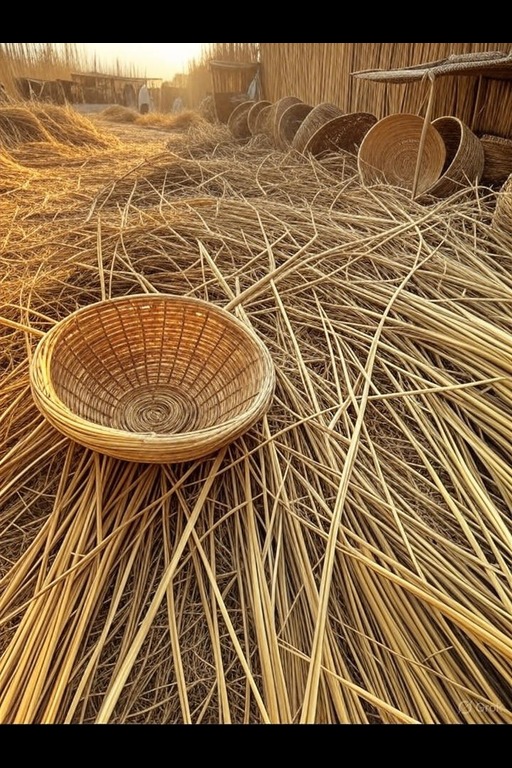
Reedbeds, found in cold desert regions, are valuable ecosystems that serve as essential oases amidst arid landscapes. These rich habitats provide sustenance and resources for various communities, with careful harvesting practices ensuring their longevity. Local artisans utilize the abundant reeds for crafting essential goods, promoting both trade and cultural exchange. As a result, many settlements thrive near these vital water sources.
Universal
Biomes
Politics
Alignments
Races
Resources
Classes
Elevations
Religions
World
No accessible MAPs found.
Biome
Politics
Alignment
Race
Resource
Class
HeightMap
Reedbeds (Oases)
Detailed Description
Reedbeds are lush, vibrant areas that emerge where underground water surfaces, creating a unique ecological niche. In cold desert environments, these oases contrast sharply with their arid surroundings, offering a refuge for diverse flora and fauna. The presence of reeds not only stabilizes the soil but also supports a variety of life, including birds, insects, and small mammals that rely on the shelter and food they provide. Harvesters skillfully gather these reeds, balancing the need for resources with the imperative to sustain their populations and ecosystems. The cyclical nature of this harvesting, influenced by seasonal growth patterns, speaks to the deep understanding local communities have of their environment.
Examples
Artisans create a range of products from the reeds harvested from these beds, showcasing their versatility. Woven mats and baskets serve practical purposes in daily life, while thatch bundles are used in construction and roofing, providing durable shelter. Additionally, sheets of papyrus generated from specific types of reeds enable the preservation of knowledge and artistry, fueling the local trade economy. Cordage made from reeds finds applications in various tasks, from fishing to crafting tools, highlighting the resource’s integral role in the livelihoods of those who inhabit these regions.