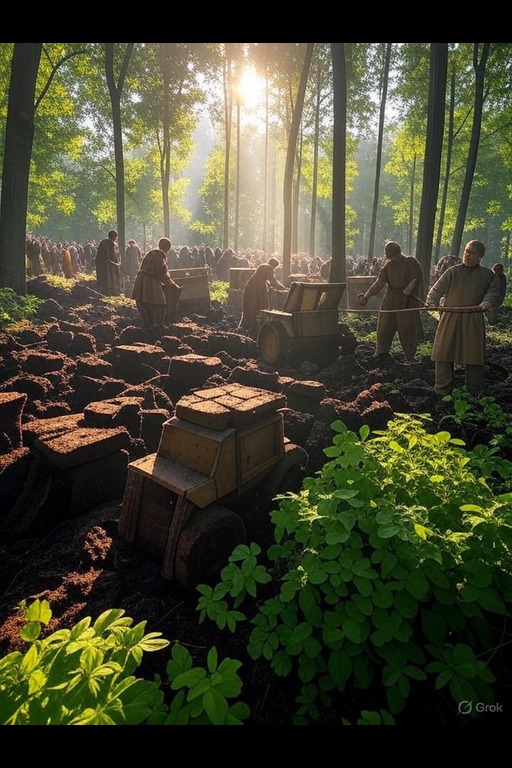
Peat (Forest Edge) is a dark, organic material that forms in the rich, damp conditions of temperate deciduous forests. This resource is valued for its utility in various industries, particularly as a fuel source and soil amendment. Harvesters employ seasonal knowledge and skill to collect peat sustainably, ensuring that local stocks remain viable. Settlements often thrive near abundant peat deposits, fostering a community reliant on its trade and applications.
Universal
Biomes
Politics
Alignments
Races
Resources
Classes
Elevations
Religions
World
No accessible MAPs found.
Biome
Politics
Alignment
Race
Resource
Class
HeightMap
Peat (Forest Edge)
Detailed Description
Peat (Forest Edge) develops in waterlogged conditions, where plant material accumulates and decomposes over time, creating a dense, fibrous mat. This organic matter, rich in carbon, provides essential nutrients for surrounding flora and enhances soil structure. As a result, peat is a crucial component in maintaining the health of forest ecosystems, supporting a diverse array of plant and animal life. The texture and humidity of peat make it an ideal medium for supporting both traditional and innovative agricultural practices, from gardening to larger-scale farming. Harvesting peat requires skillful timing, as the best periods align with the natural cycles of the forest; excessive removal can lead to ecological imbalance, prompting a sustainable approach to its collection and use. This balance is critical, as the resource's availability often dictates the health and economy of nearby communities. Craftsmen and traders utilize peat in various forms, producing items such as peat bricks, which serve as a reliable energy source when dried, and peat ash, which can be used as a soil amendment to enhance fertility. Fuel bundles made from compressed peat are highly sought after for their efficiency and low smoke output, making them a favored choice for heating in colder months. Additionally, specialized soil mixes that incorporate peat are prized for their ability to retain moisture and nutrients, fostering robust plant growth. The charred version of peat, often used in rituals or as a unique flavoring agent for certain culinary traditions, highlights the versatility of this resource. As trade routes develop, the demand for peat products can spark economic opportunities, ensuring that the harvesting practices remain sustainable and beneficial for local populations. Overall, the importance of Peat (Forest Edge) extends beyond its immediate applications, linking the livelihoods of harvesters, traders, and craftspeople. The resource fosters a deep connection between communities and their environment, reinforcing the need for responsible management and appreciation of natural resources. Its presence serves as a reminder of the delicate balance within ecosystems and the role that sustainable practices play in preserving both the land and its inhabitants.
Examples
The applications of Peat (Forest Edge) are varied, spanning multiple industries that benefit both local economies and agricultural practices. Peat bricks are commonly used as a reliable fuel source, while peat ash enhances the nutritional profile of soil, enriching the earth for cultivation. Additionally, charred peat can add unique flavors to certain dishes, showcasing its culinary versatility. The trade in peat products not only supports local livelihoods but also underlines the importance of sustainable resource management.