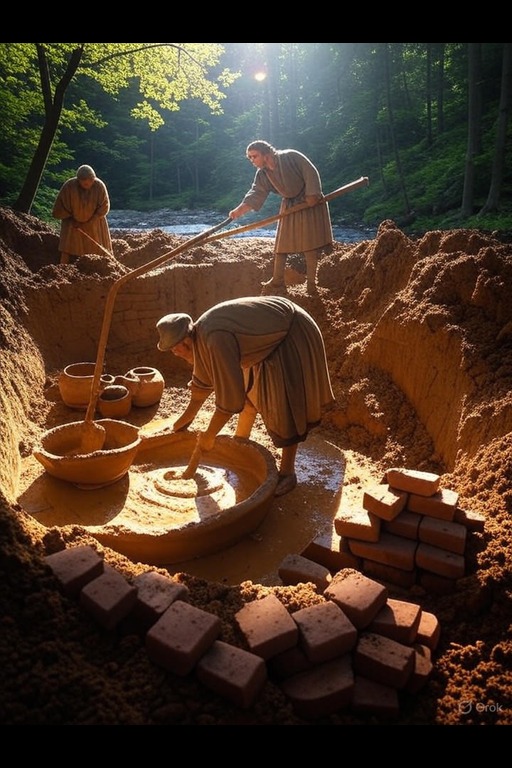
Clay pits are natural resources commonly found within temperate deciduous forests, where the rich soil provides an abundant supply of clay. Harvesters with the skill and knowledge of the land gather this material, balancing the need for extraction with the sustainability of the resource. Local crafts and trade heavily rely on clay, and many settlements establish themselves near these valuable deposits. The versatile nature of clay supports a variety of industries, including pottery, brickmaking, and the production of kiln wares.
Universal
Biomes
Politics
Alignments
Races
Resources
Classes
Elevations
Religions
World
No accessible MAPs found.
Biome
Politics
Alignment
Race
Resource
Class
HeightMap
Clay Pits
Detailed Description
Clay pits are a vital natural resource in temperate deciduous forests, formed through the gradual weathering of soil and rock. These deposits are typically found near riverbanks or within clearings, where water erosion has exposed the rich, malleable earth. As seasons change, harvesters take great care to collect clay without depleting local stocks, ensuring that the resource remains available for future generations. The process of extraction requires a keen understanding of the landscape and the properties of the clay itself, as different types can yield distinct qualities when processed. The significance of clay extends beyond mere availability; it is an essential material for various industries. Pottery artisans transform raw clay into functional and decorative items, such as pots, vases, and figurines, using techniques that have been passed down through generations. Brickmakers rely on clay for constructing buildings and infrastructure, molding it into durable bricks that withstand the test of time. Kilns, specially designed for firing clay items, are often located near these pits to streamline production and reduce transport challenges. The trade of clay products fosters economic growth in nearby settlements, leading to thriving local markets. Additionally, the versatility of clay allows for innovation in craftsmanship. Artisans experiment with different firing techniques and glazes to create unique finishes and textures, broadening the appeal of their wares. As a result, clay pits not only support essential industries but also encourage creativity and artistry within the community. The proximity to a reliable clay source often influences settlement patterns, with communities springing up around these natural deposits, further embedding the resource into the fabric of daily life and commerce in the region.
Examples
The products of clay pits are diverse, showcasing the adaptability of the material. Clay pots serve as essential vessels for storage and cooking, while bricks are integral to construction projects, providing sturdy walls and foundations. Tiles crafted from clay adorn rooftops and floors, blending functionality with aesthetic appeal. Figurines and decorative pieces often emerge from local workshops, reflecting the cultural influences of the artisans. Each item created from clay is a testament to the resource's enduring significance in everyday life.