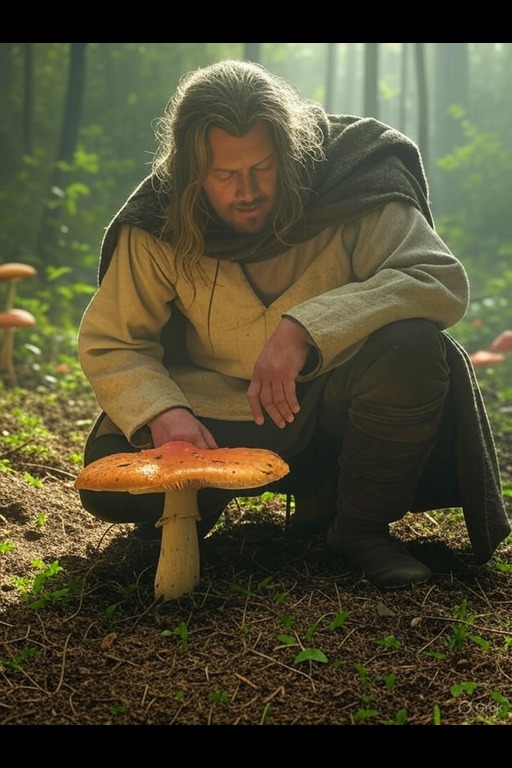
Wild mushrooms are a vital resource found naturally in various forested regions. They flourish in temperate and tropical environments, offering an array of flavors and textures. Harvesters, skilled in identifying edible varieties, gather them seasonally to ensure sustainable practices that do not deplete local stocks. Their versatility supports both culinary endeavors and trade, making them an essential commodity for many communities.
Universal
Biomes
Politics
Alignments
Races
Resources
Classes
Elevations
Religions
World
No accessible MAPs found.
Biome
Politics
Alignment
Race
Resource
Class
HeightMap
Mushrooms (Wild)
Detailed Description
Wild mushrooms thrive in diverse forest habitats, from temperate deciduous woodlands to lush tropical rainforests. These fungi play a crucial role in their ecosystems, contributing to soil health and forming symbiotic relationships with trees and plants. Their growth is seasonal, dependent on the right combination of moisture, temperature, and habitat. Foragers often venture into the woods during damp conditions, when mushrooms are most abundant and easier to spot among the underbrush. A keen eye and knowledge of local species are imperative for successful harvesting, as the wrong choices can lead to harmful consequences. Thus, those who gather wild mushrooms must be both cautious and discerning, ensuring a balance between enjoyment and sustainability. In culinary circles, wild mushrooms are celebrated for their unique flavors and textures, enhancing a variety of dishes. From earthy and robust to delicate and sweet, these fungi can transform mundane meals into extraordinary feasts. Chefs and home cooks alike seek out specialty varieties that may not be cultivated commercially, adding a touch of wilderness to their cooking. Moreover, the art of preserving mushrooms, whether through drying or pickling, allows their flavors to be enjoyed long after the harvest season has ended. Such practices not only contribute to local cuisines but also create products that can be shared and traded beyond their immediate surroundings. The trade of wild mushrooms supports local economies and fosters relationships among communities. Markets often feature stalls filled with freshly foraged goods, where harvesters can share their expertise and culinary enthusiasts can discover new ingredients. Trade packs, dried goods, and preserves become not only a means of sustenance but also a way to express regional identity and heritage. Thus, wild mushrooms play an integral role in connecting people to their environments, their cultures, and one another, weaving a rich tapestry of tradition and commerce that sustains communities through the seasons.
Examples
Common products derived from wild mushrooms include dried assortments and artisanal preserves, each showcasing the unique characteristics of the harvested fungi. Culinary enthusiasts often turn to these ingredients to create distinctive salts and spices, enhancing dishes with earthy nuances. Trade packs filled with assorted mushrooms can be found in local markets, offering a taste of the forest to those unable to forage. The versatility and appeal of wild mushrooms continue to inspire both seasoned chefs and home cooks, reflecting a deep appreciation for nature's bounty.