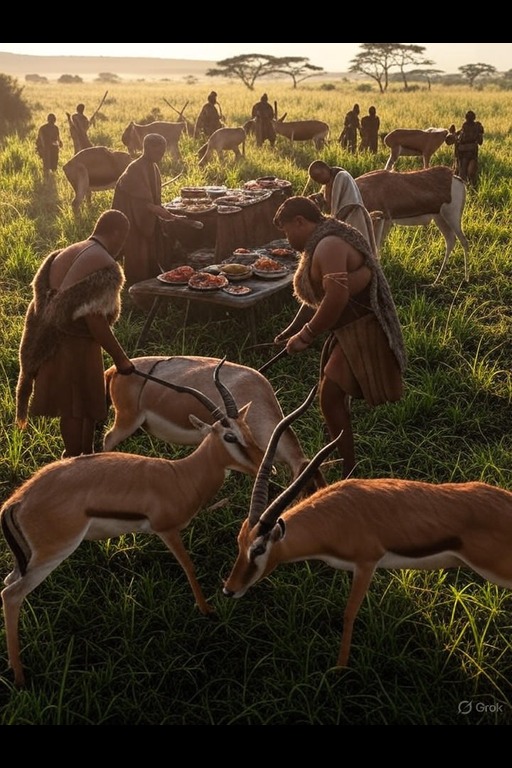
Antelope Game is a vital resource found naturally in temperate dry grasslands and savanna regions. Harvesters depend on seasonal patterns and their hunting skills to gather it sustainably, ensuring populations remain healthy. This resource supports various local industries, including hunting, tanning, and butchery, while also facilitating trade. Settlements often thrive near reliable sources of Antelope Game, which fosters a strong community connection to the land and its offerings.
Universal
Biomes
Politics
Alignments
Races
Resources
Classes
Elevations
Religions
World
No accessible MAPs found.
Biome
Politics
Alignment
Race
Resource
Class
HeightMap
Antelope Game
Detailed Description
Antelope Game represents a key resource in the ecosystems of savanna and temperate dry grassland biomes. The animals are known for their agility and keen senses, making them formidable targets for skilled hunters. As a staple in the diet of many local communities, the pursuit of Antelope Game is both a traditional practice and a necessary activity for sustenance. Harvesters often develop intimate knowledge of the animals' migratory patterns, breeding cycles, and feeding habits, allowing them to engage in responsible hunting practices that prevent over-exploitation of the resource. The process of gathering Antelope Game is not merely about the hunt; it encompasses a series of practices that include butchering, tanning, and crafting. After a successful hunt, various parts of the animal are utilized to their fullest potential. The meat can be smoked or cured to enhance preservation, while hides are transformed into durable textiles for garments or shelters, and bones can be fashioned into tools. This multifaceted use of the animal underscores the careful balance between human needs and ecological sustainability. Trade in Antelope Game and its byproducts often strengthens local economies, with communities exchanging their goods with neighboring settlements. The availability of smoked or cured meat, tanned hides, and crafted items fosters not only livelihood opportunities but also cultural exchange. As artisans hone their skills in transforming every aspect of the animal, unique local styles and techniques emerge, enriching the collective heritage of the region. The vibrant markets that arise around these practices serve as gathering places for sharing knowledge, stories, and resources, reinforcing social ties among inhabitants. In the broader context, the health of antelope populations is a barometer for the ecological balance of their environment. Changes in climate, habitat encroachment, or hunting practices can impact their numbers, thus influencing the livelihoods that depend on them. Sustainable practices, such as regulated hunting seasons and community-based management, become essential in ensuring the longevity of both the antelope and the cultures that rely on them. As such, the relationship with Antelope Game is one of respect and stewardship, highlighting the interconnectedness of life in the savanna.
Examples
Examples of products derived from Antelope Game include smoked and cured meats that are highly valued for their flavor and preservation qualities. Tanned hides are crafted into garments and bags, offering both utility and warmth. Additionally, the bones of the animals are skillfully fashioned into tools that assist in various daily tasks, while fur garments provide comfort and protection against the elements. These products not only serve practical purposes but also play a role in local trade, enhancing the economic fabric of communities.