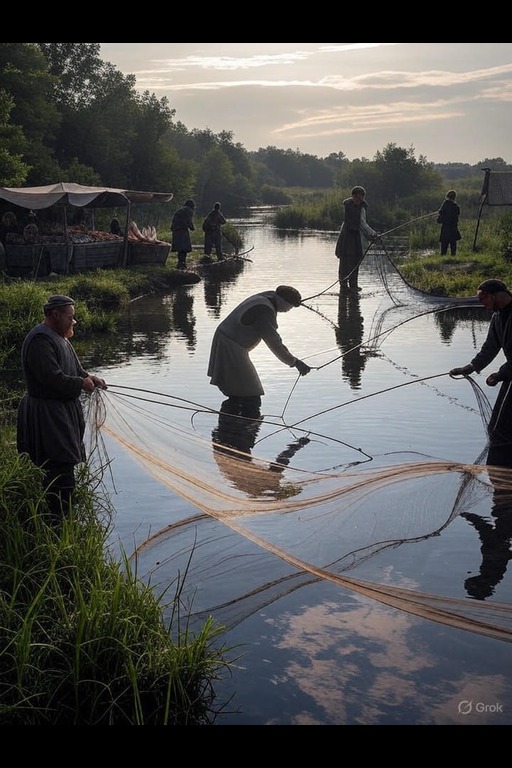
Bass is a widely cultivated fish found in freshwater environments, renowned for its adaptability and flavor. This resource thrives in a variety of aquatic conditions, influenced by the surrounding climate and the methods employed by those who harvest it. Seasonal variations play a significant role in both the quality and quantity of the catch. Surpluses are often traded with neighboring regions, making bass a valuable commodity in local and regional markets.
Universal
Biomes
Politics
Alignments
Races
Resources
Classes
Elevations
Religions
World
No accessible MAPs found.
Biome
Politics
Alignment
Race
Resource
Class
HeightMap
Bass
Detailed Description
The cultivation of bass is deeply intertwined with the practices of aquaculture and fishing, resulting in a significant impact on local economies. Freshwater ecosystems provide an ideal habitat for various bass species, which flourish in lakes, rivers, and ponds. Fishers and aquaculturists alike employ diverse techniques that reflect both traditional knowledge and contemporary advancements, ensuring sustainable practices that allow for consistent yields over time. Seasonal harvesting methods are particularly crucial, as they align with the natural life cycles of the fish, influencing when and how bass is collected. The integration of these practices not only enhances the quality of the fish but also contributes to the preservation of aquatic ecosystems. In culinary applications, bass is esteemed for its delicate flavor and versatility. It can be prepared in numerous ways, ranging from simple grilling to elaborate stews that highlight its natural qualities. Regions that specialize in bass often develop signature dishes that showcase local ingredients and culinary traditions, further enriching the cultural significance of this fish. Preservation methods such as smoking, salting, and pickling are commonly employed to extend the shelf life of bass, particularly in areas where fresh catches may be less accessible during certain seasons. These preserved forms are highly regarded, not only for their flavor but also for their practicality in trade and storage. Trade routes that extend from bass-producing regions are bustling with activity, as preserved fish is a staple for caravans embarking on long journeys. The ability to transport these goods over distance enhances their value, allowing for a thriving market where fresh and preserved bass can be exchanged for other vital resources. The culinary excellence of bass, combined with its practicality as a commodity, establishes it as a pillar of local trade networks. The continued cultivation and appreciation of bass exemplify the intricate relationship between human activity and the natural world, ensuring its place within the tapestry of regional economies and cultures.
Examples
Common products derived from bass include smoked bass, which is favored for its rich, savory flavor perfect for gatherings and feasts. Salted bass serves as a reliable staple, often used in winter months when fresh fish is scarce. Pickled bass offers a tangy delight enjoyed as a unique appetizer or side dish. Bass stew, rich and hearty, is a beloved meal in many households. Additionally, bass oil, extracted from the fish, finds applications in both culinary and medicinal uses.