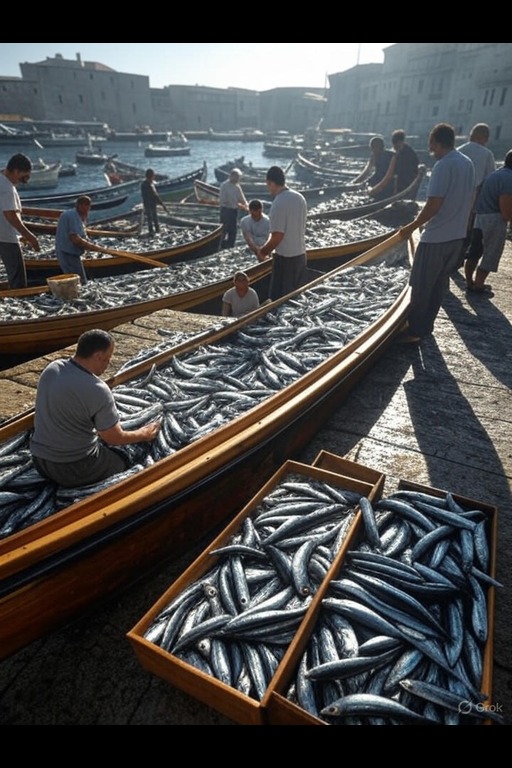
Sardines are small, schooling fish found in the vast expanse of the ocean, valued for their rich flavor and nutritional benefits. Cultivated through aquaculture and harvested by traditional fishing methods, they thrive in environments shaped by seasonal variations. Their abundance allows for trade across regions, particularly during harvest times, as surplus catches are preserved for future use. Various forms of preservation enhance their appeal, making them a staple in both local cuisines and long-distance travel provisions.
Universal
Biomes
Politics
Alignments
Races
Resources
Classes
Elevations
Religions
World
No accessible MAPs found.
Biome
Politics
Alignment
Race
Resource
Class
HeightMap
Sardines
Detailed Description
The cultivation of sardines occurs in the mild waters of the ocean, where factors such as temperature, salinity, and nutrient availability contribute to their growth. These small fish are typically fished in schools, making them relatively easy to catch when in season. Aquaculture techniques are employed to ensure a sustainable supply, often utilizing nets and controlled environments to optimize yields. The practice is deeply tied to local traditions, with methods passed down through generations, blending knowledge of the sea with innovative approaches to fish farming. Seasonal fluctuations play a crucial role in the quality of sardines, with certain times yielding fish that are particularly rich in flavor and oil content. Preservation methods significantly enhance the sardine's value and shelf life, allowing for various culinary applications. Smoked sardines, for instance, boast a deep, savory flavor that complements a multitude of dishes, while salted sardines provide a robust taste that can transform simple meals into something special. Pickling sardines adds a tangy element, often enjoyed as a delicacy or appetizer. Sardines also lend themselves well to stews, where their rich oils infuse the broth, creating hearty and satisfying meals. Additionally, sardines oil is often extracted for culinary uses or as a base for various sauces, celebrated for its distinct flavor. The trade of sardines extends beyond local boundaries, with preserved forms highly sought after by traveling merchants. Caravans often carry these products to distant markets, where they are valued not only for their nutrition but also for their convenience during long journeys. In regions facing harsh winters, salted and smoked sardines become essential staples, providing sustenance when fresh seafood is scarce. Thus, the sardine remains a vital resource in the marine economy, intertwining with culinary traditions and trade practices that span vast distances.
Examples
Culinary uses of sardines are diverse, with smoked sardines often served on crusty bread as a delightful snack. Salted sardines appear frequently in rustic dishes, where their intense flavor enhances vegetable stews. Pickled sardines make for tangy appetizers, often accompanied by olives or fresh herbs. A comforting sardine stew can warm the soul on chilly evenings, while sardine oil is prized by chefs for its rich taste and versatility in dressings. Each preserved form showcases the fish's adaptability and the skill of those who cultivate and prepare them.