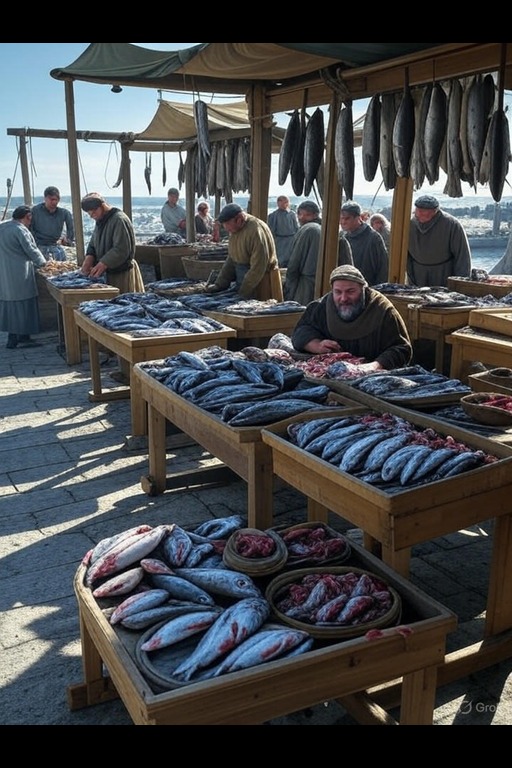
Cod is a widely cultivated fish found in vast oceanic waters, thriving in environments shaped by climate and local traditions. Its quality and abundance are greatly influenced by seasonal fishing methods that vary across regions. The preservation of cod allows it to be stored for extended periods, making it an essential resource for long journeys and harsh winters. Trade routes flourish as surplus cod is exchanged for goods, enriching the culinary landscape of neighboring areas.
Universal
Biomes
Politics
Alignments
Races
Resources
Classes
Elevations
Religions
World
No accessible MAPs found.
Biome
Politics
Alignment
Race
Resource
Class
HeightMap
Cod
Detailed Description
The cultivation and harvesting of cod is a significant aspect of maritime agriculture, supported by the rich biodiversity of the ocean. This fish is primarily found in cooler waters, where the confluence of nutrient-rich currents fosters an environment ideal for growth. Seasonal fluctuations play a crucial role in the life cycle of cod, with spawning and maturation closely tied to water temperatures and food availability. Fisherfolk often employ various traditional techniques passed down through generations to maximize their yield during peak seasons. Quality variations in cod are notable, shaped by the methods of catch and preservation. Freshly caught cod, prized for its delicate flavor, is often consumed soon after capture, while surplus catches are carefully processed to extend their shelf life. Techniques such as drying, fermenting, or spicing transform the fish into products that are not only palatable but also durable, ensuring sustenance during the lean months. The importance of these preservation methods cannot be overstated, as they allow communities to thrive in challenging environments where fresh food may be scarce. The trade of cod significantly impacts local and regional economies, with merchants transporting preserved forms across vast distances. Caravans laden with dried, spiced, or fermented cod are common sights on trade routes, as these products are sought after for their flavor and longevity. Additionally, the culinary applications of cod are numerous, ranging from simple dishes to elaborate feasts, highlighting its versatility in various cuisines. The rich history of cod as a staple resource underscores its integral role in the sustenance and culture of coastal communities.
Examples
Commonly, cod is found in various preserved forms such as dried, which is lightweight and easy to transport, making it ideal for long voyages. Fermented cod offers a unique flavor profile, often used in traditional dishes that celebrate the fish's robust taste. Spiced cod, enhanced with a blend of herbs and seasonings, appeals to those seeking bold culinary experiences. Candied cod, a sweeter variation, serves as both a treat and a delicacy, showcasing the adaptability of this fish in different gastronomic contexts.