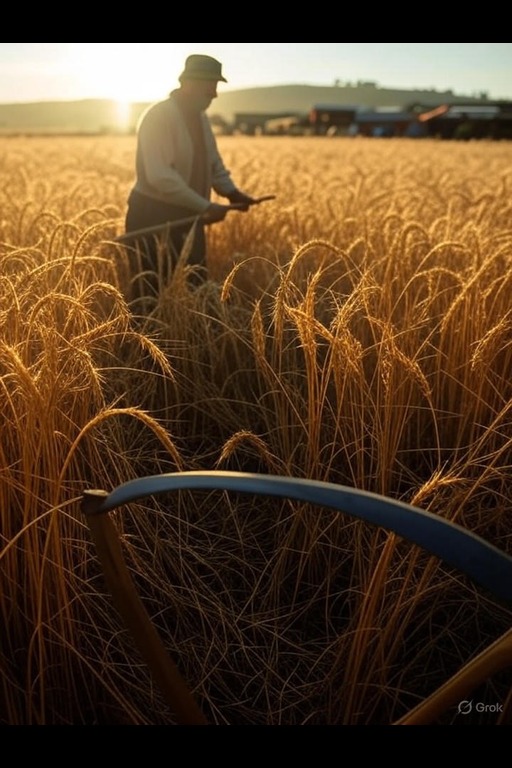
Wheat is a staple crop that thrives in temperate climates characterized by dry and wet grasslands as well as deciduous forests. Its cultivation relies heavily on seasonal agricultural practices, which affect both the quality and quantity of harvests. Farmers often trade surplus wheat with neighboring regions, creating a robust market for this essential grain. During long journeys, traders value preserved forms of wheat for their durability and sustenance.
Universal
Biomes
Politics
Alignments
Races
Resources
Classes
Elevations
Religions
World
No accessible MAPs found.
Biome
Politics
Alignment
Race
Resource
Class
HeightMap
Wheat
Detailed Description
The process of cultivating wheat involves careful consideration of soil types, climate conditions, and seasonal cycles. Farmers prepare the land by tilling and enriching the soil, ensuring it is well-suited for planting wheat seeds. This crop flourishes in regions where the rainfall is adequate yet not overwhelming, allowing for optimal growth without the risk of waterlogging. Techniques are employed to manage weeds and pests, often passed down through generations, reflecting a deep connection to the land and its cycles. As the wheat matures, it changes in color and texture, signaling the time for harvest. After harvest, the grain undergoes a series of processing steps to transform it into usable products. Milling is a critical industry that grinds the wheat into flour, which serves as a foundation for numerous culinary delights. Various forms of wheat flour can be produced, each catering to different baking needs and preferences, resulting in a range of products from bread to pastries. The versatility of wheat extends to brewing as well, where it contributes to the production of beverages that offer refreshment and nourishment. Trade plays a vital role in the wheat economy, with caravans transporting both raw and processed forms across vast distances. This exchange not only provides sustenance for communities but also fosters economic ties between regions. Preserved wheat products, such as crackers and porridge, are particularly valued for their long shelf life, allowing them to be stored for use during harsh seasons or when fresh produce is scarce. The journey of wheat from field to table exemplifies the intricate relationships between agriculture, culture, and commerce, highlighting its importance in sustaining societies throughout changing seasons and landscapes.
Examples
Various products are derived from wheat, showcasing its versatility and fundamental role in diets. Wheat flour serves as a primary ingredient in many baked goods, while wheat bread is a staple for countless meals, offering nourishment and sustenance. Additionally, wheat porridge provides a warm, hearty option for breakfast, and wheat beer presents a popular choice for social gatherings. Lastly, wheat crackers are enjoyed as snacks or accompaniments, demonstrating the grain's adaptability in culinary practices.