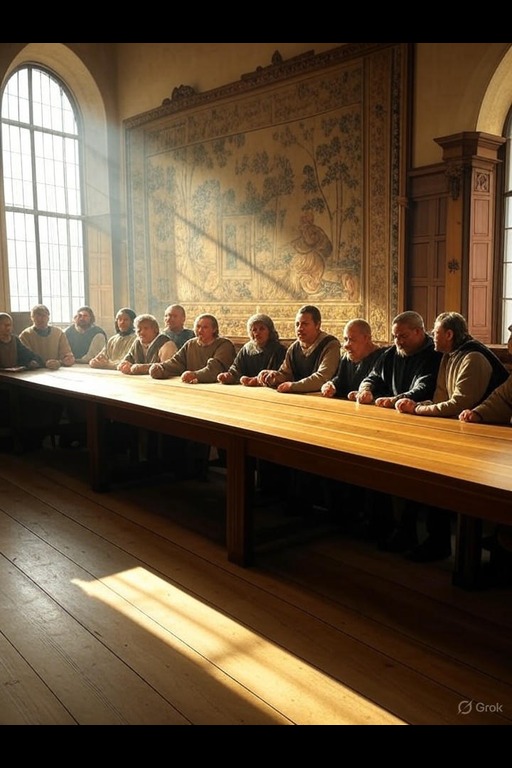
A county is an administrative region governed by sheriffs and local courts, balancing authority between centralized oversight and local autonomy.
Universal
Biomes
Politics
Alignments
Races
Resources
Classes
Elevations
Religions
World
No accessible MAPs found.
Biome
Politics
Alignment
Race
Resource
Class
HeightMap
County
Detailed Description
Counties serve as vital administrative units within larger political entities, such as kingdoms, empires, federations, theocracies, or republics. The governance of a county often falls under the jurisdiction of elected or appointed sheriffs, who possess the authority to enforce laws and maintain order. Local courts adjudicate disputes ranging from minor infractions to significant criminal cases, providing a direct means for citizens to seek justice. This system typically emphasizes community involvement, allowing local leaders a degree of influence over legal practices and societal norms. However, the degree of autonomy can vary significantly based on the overarching political structure, with counties under strong central authority facing different challenges compared to those with greater independence. Succession in the county system is often determined by local elections or appointments, though the specific process may be influenced by the customs or mandates of the larger governing body. In a kingdom, for example, a sheriff might be appointed by the monarch, while in a republic, the position could be filled through public vote. This duality can lead to a complex relationship between local governance and central authority, with sheriffs and local courts sometimes caught between the demands of their communities and the directives from their superiors. Additionally, the presence of local militias or religious institutions can further shape governance, as these entities may hold sway over the populace and influence decisions made within the court systems. Daily life for county residents is often characterized by close-knit communities where local leaders are seen as accessible figures. The sheriff's role is not only administrative but also involves social interactions, as they often engage with citizens in various community functions. Nevertheless, the balance of power can lead to tensions, particularly when local laws clash with edicts from higher authorities. Taxation systems may be aligned with the needs of the community, yet the burden can create friction if perceived as excessive or mismanaged. Overall, counties reflect a blend of local customs and overarching political expectations, offering a unique lens through which citizens experience governance.
Examples
A border county under a kingdom faces persistent raids, compelling the local sheriff to negotiate with neighboring realms. A provincial governor in an empire struggles to implement reforms due to resistance from traditional councils. In a federation, a county witnesses rising tensions as its citizens demand greater autonomy from central authorities. A theocratic eparchy enforces strict moral codes, leading to conflict with more liberal factions within the community. A republic's county assembly debates new taxation policies amidst growing public dissent. A duchy within a monarchy celebrates its unique traditions, fostering a strong sense of local identity.